

Avoid These Space Planning Mistakes: 12 Ways to Make Your Home Look Expensive
Elevate your home's aesthetic with these essential design tips.
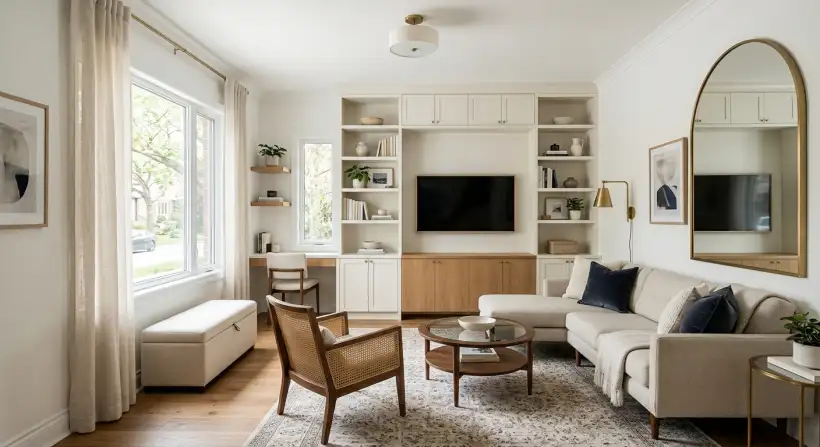
Have you ever walked into a home and instantly felt underwhelmed, as if something was just…off? It might not be the quality of the furniture, but the way the space is arranged.
Space planning is the unsung hero of interior design, capable of transforming a room from drab to fab. Get ready to rethink how you arrange your home!
From furniture placement mistakes to lighting blunders, we'll uncover the secrets to avoiding common space planning mistakes and creating a home that exudes sophistication.
Good space planning is key to a well-designed home. It is more than looks. It is about how the space functions, how things flow, and the experience of living in a space. Poor planning leads to rooms that feel cramped, cluttered, and less inviting. This guide helps you avoid common space planning mistakes. It will help you achieve a more polished and visually appealing home, using the main keyword: space planning mistakes.
Quick navigation
The Importance of Space Planning
Why does space planning matter? Isn't it just about making things look nice? It is much more. Effective space planning considers how you live in your home. It creates a good mix of form and function. This means a well-planned room looks good and is a pleasure to use. It helps your daily activities, encourages relaxation, and improves your mood. Without proper planning, a room can feel chaotic, cramped, or unwelcome.
The goal is to use every inch. Careful placement of furniture and decor ensures each item has a purpose. It adds to the room's overall harmony. It creates balance, makes sure each piece of furniture has space, and considers the room's natural light and features. Think of space planning as the plan of your home. Each item has a role and works together to create a comfortable living space.
Ignoring the Room's Function
Every room has a purpose. Are you honoring that purpose? A living room designed for entertaining needs a different layout than a living room meant for relaxation. A home office must focus on productivity, while a bedroom should focus on peace. Ignoring the function of a room is a sure space planning mistake. It can throw off the whole design. Think about what will happen in the space and design accordingly.
For example, in a dining room, make sure there is space around the table. In a home office, use furniture that helps you work and make sure there is enough light. In a bedroom, create a calm area with a comfortable bed and soothing colors. Ask yourself: What will you do in this room? How can the space help those activities? Considering these things ensures the room looks good, functions well, and is enjoyable to use.
Poor Furniture Placement
One of the most common space planning mistakes is putting furniture in the wrong place. This can make a room feel cramped, unbalanced, or awkward. Common errors include pushing all furniture against the walls, blocking walkways, and choosing pieces that are too big or too small. How can you avoid this mistake?
First, make a floor plan. Measure your room. Note the doors and windows. Then, sketch different furniture arrangements. Try different layouts on paper before moving furniture. For living rooms, think about the main point, like a fireplace or TV. Arrange seating around it. Make sure there is space to move, usually 30-36 inches between furniture. In small spaces, use furniture that does more than one thing, like a sofa bed or storage ottoman. Do not add too much. Choose pieces and sizes carefully. Remember, less is often better.
Insufficient Lighting
Lighting is an important part of space planning. It is often overlooked. Lighting can change a room's feel and how it works. Not enough lighting can make a room dark, gloomy, and less inviting. Are you making the most of your room's light?
The key is to use different types of lighting. This includes lighting for the whole room, lighting for specific tasks, and lighting to highlight features. Make sure you have enough light with overhead lights or lamps. Use task lighting, like desk lamps or reading lights, where needed. Add accent lighting with spotlights, sconces, or fairy lights to highlight details or art. Think about the natural light in the room. Add artificial lighting to create a balanced and inviting space.
Overcrowding the Space
Sometimes, less is better. Overcrowding a space is a common space planning mistake. It can make a room feel cluttered and closed in. It is tempting to fill a room with furniture and decor. But this can make it less appealing. Think about a minimalist design, even if you are not a minimalist.
Choose your furniture and decor carefully. Focus on function and choose pieces that work together. Do not add too many items. Focus on making the space feel open. Choose the right size furniture. Pieces that are too large can make a space feel small. Those that are too small can make it feel empty. Measure your space and plan the layout before buying anything. Leave space to let the eye rest and to move around. By using less, you can create a room that feels spacious, stylish, and inviting.
Neglecting Traffic Flow
Traffic flow is how people move through a space. Poor traffic flow makes a room feel disjointed, frustrating, and even dangerous. Making it easy to move around is key to a comfortable home. Have you thought about how people will move through the room?
Think about the paths through the room. Do not put furniture in the path of doorways or hallways. Make sure there is space to move comfortably. A general rule is to keep at least 30-36 inches of space for walkways. Create a clear path from the entrance to key areas, like the living room or dining room. Arrange furniture to guide movement and create areas for different activities. By focusing on traffic flow, you can create a room that looks good and is also practical and enjoyable to use.
What this means for you
Finding and avoiding these space planning mistakes can greatly improve your home. It is about understanding how your home works. Design it to fit your lifestyle. By using these tips, you can create a space that looks good and is functional and enjoyable. The result? A home that is more comfortable, stylish, and inviting. It reflects your style. It is an investment in your well-being.
Risks, trade-offs, and blind spots
One risk is the cost of fixing mistakes. Poor space planning may lead to buying the wrong size furniture or having to rearrange the room many times. This takes time and money. Trade-offs include the time spent planning versus the benefit of a well-designed space. Blind spots come from not fully thinking about how the space will be used or ignoring traffic flow. These can cause problems.
To reduce these risks, carefully plan your space. Make detailed floor plans. Measure everything before buying furniture or decor. Consider the room's function and traffic flow. Avoid problems. Do not be afraid to experiment, rearrange, and ask for feedback to create a well-designed space. A little work now can make you happy with your home for a long time.
Main points
In short, by avoiding these common space planning mistakes, you can create a home that is beautiful and functional. Here is a quick review:
- Focus on function and consider the room's purpose.
- Plan furniture placement with floor plans and measurements.
- Use different lighting to create a good feel and make things work.
- Use less to avoid overcrowding.
- Make sure people can move easily.
- Choose furniture and decor that work together.
- Think about the size of furniture in relation to the space.
- Create areas for different activities in the room.
Ready to change your home? Start by looking at your space. Find any space planning mistakes. Then, use the ideas in this guide. Do not be afraid to experiment, rearrange, and find ideas. With planning and attention to detail, you can create a home that shows your style and makes your life better.