

Biggest Mistakes That Make Buyers Hesitate: A Guide for Sellers
Avoid these pitfalls to attract more offers and sell your home faster.
Selling a home can be a complex process, but avoiding common mistakes can significantly increase your chances of a quick and profitable sale.
From neglecting curb appeal to overpricing your property, many sellers inadvertently create roadblocks that deter potential buyers.
This guide will help you identify and navigate these pitfalls, ensuring you present your home in the best possible light and attract serious offers.
Selling a home is a big undertaking, often filled with anticipation and stress. Your goal is always the same: sell quickly and for the best price. Many sellers make mistakes that can deter buyers, leading to longer market times and lower offers. Understanding these common pitfalls is the first step in avoiding them. This guide highlights the biggest mistakes that make buyers hesitate, offering advice to help you sell successfully. Knowing how to stage your home is one key aspect, and you can learn more about staging your home to improve your chances.
Quick navigation
- Curb Appeal Catastrophes: First Impressions Matter
- Overpricing Your Property: The Price is (Almost) Always Wrong
- Ignoring Necessary Repairs: The Hidden Costs
- Poor Staging and Presentation: Uninviting Spaces
- Inconvenient Showings: The Buyer's Perspective
- Disregarding Market Conditions: Timing is Everything
- Failing to Disclose: Transparency and Trust
- What this means for you
- Risks, trade-offs, and blind spots
- Main points
Curb Appeal Catastrophes: First Impressions Matter
The first impression often lasts. When buyers drive up to your home, they see the outside first. A well-maintained exterior shows the inside is also likely cared for. A neglected exterior can turn buyers away, no matter how beautiful the inside is. Did you know the easiest way to make a great first impression is to take care of the outside of your house?
Neglecting curb appeal includes overgrown landscaping, peeling paint, a cluttered yard, and an unkempt appearance. These issues suggest a lack of care, which can make buyers question the property's condition. Addressing these issues does not have to be expensive. Simple tasks like mowing the lawn, trimming bushes, and adding a fresh coat of paint can help. You could hire a professional landscaper or handyman for more work. The small investment often pays off by making your house look better to buyers.
Overpricing Your Property: The Price is (Almost) Always Wrong
One of the most common mistakes sellers make is overpricing their homes. It is natural to want the highest return on your investment. An unrealistic asking price can deter buyers and make your home stay on the market longer. But, how do you correctly price your property?
Overpricing can happen for several reasons, including an emotional attachment to the property or a misunderstanding of current market conditions. Buyers do their research and compare properties. If your home is priced higher than similar properties in the area, they will likely look at other options. You must do a comparative market analysis (CMA) to find a fair market value. A CMA involves evaluating recent sales of similar properties in your area. Consider factors like location, size, condition, and features. Working with a real estate agent who knows the local market is helpful. They can give you data to help you set a competitive price that attracts buyers without undervaluing your home. Is there a way to price it perfectly from the start?
Ignoring Necessary Repairs: The Hidden Costs
Buyers often see homes with deferred maintenance as a problem. Unaddressed repairs, whether small or large, can show the property has been neglected. Also, buyers will likely use these issues to get a lower price. What is the best way to handle repairs?
Ignoring necessary repairs can have a double-negative effect. First, it can discourage buyers from making an offer, especially if they expect high expenses. Second, if buyers make an offer, they will likely include the cost of repairs, resulting in a lower offer than you might have received if the issues were fixed. Before listing your home, have a pre-listing inspection to find any problems. This lets you address issues early. Prioritize the most important repairs, such as those related to safety, structure, and systems like plumbing, electrical, and HVAC. Fixing these problems shows buyers the home is cared for and reduces price negotiations based on needed repairs.
Poor Staging and Presentation: Uninviting Spaces
How you present your home can affect a buyer's view and willingness to make an offer. A cluttered, outdated, or poorly staged home can make it hard for buyers to imagine living there. Have you considered what your house says to a potential buyer?
Poor staging and presentation involve several elements. Clutter, personal items, and outdated decor can distract buyers and make it harder for them to see the home's potential. Dark, poorly lit rooms and rooms with a bad smell can also create a negative impression. Proper staging involves decluttering, removing personal items, and improving the home's features to create an inviting atmosphere. This might include removing excess furniture, updating paint colors, improving lighting, and adding decor to highlight the home's best features. Professional staging can be a good investment. Staged homes often sell faster and for a higher price. Taking steps to make a good first impression can greatly increase your chances of a buyer making an offer, and considering staging options might be the key to your success.
Inconvenient Showings: The Buyer's Perspective
Making your home easy to show is crucial to attract buyers. If it is hard for buyers to see your home, they may look at other properties. How can you make it easier for buyers?
Inconvenient showings can happen in several ways. Requiring too much notice for showings, being inflexible with scheduling, or not keeping the home clean and tidy for viewings are all problems. Buyers often have tight schedules. If your home is hard to view, they may choose to see other properties. Be as accommodating as possible. Work with your real estate agent to set a showing schedule that works for you and buyers. Keep your home clean and presentable. Be flexible with showing times. Offer incentives, such as providing a lockbox, to make access easier. This approach will maximize the number of potential buyers who can view your home, which increases the likelihood of receiving an offer.
Disregarding Market Conditions: Timing is Everything
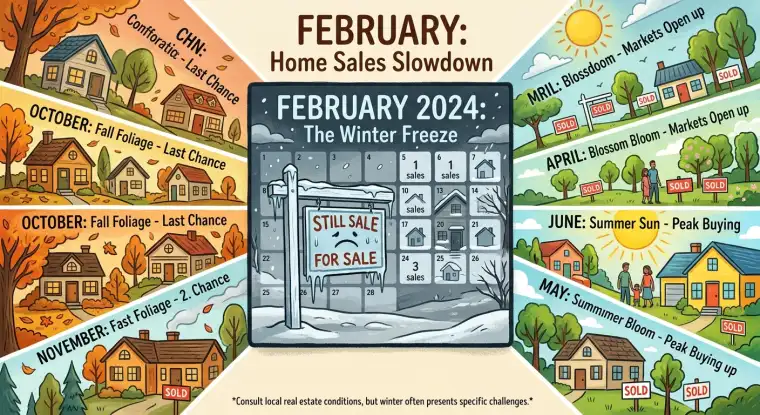
Real estate markets change. Understanding the current market can help you make informed decisions about pricing, marketing, and selling. Why is it important to know the market?
Ignoring market conditions can lead to problems. In a buyer's market, where there are more homes for sale than buyers, it is essential to price competitively and be ready to negotiate. In a seller's market, where demand is high, you may have more power to set the price and terms. Understanding factors like interest rates, inventory levels, and economic trends can help you make decisions. Work with your real estate agent to stay informed about market conditions. They can give you valuable insights and help you change your strategy. Knowing the best time to sell or the fastest way to sell your home can give you an advantage.
Failing to Disclose: Transparency and Trust
Full disclosure is a legal requirement and a key part of building trust with buyers. Failing to disclose problems can lead to legal issues and damage your reputation. How can you be transparent with potential buyers?
Failing to disclose known issues, like a leaky roof or foundation problems, can lead to legal issues. Buyers rely on sellers to give accurate information about the property's condition. Hiding or misrepresenting known issues can lead to lawsuits. Transparency is important. Disclose any known problems and provide documents like inspection reports. Be honest with buyers. Being transparent builds trust, which can lead to a smoother sale and a better experience. This also increases the chances of a fast sale.
What this means for you
Avoiding these mistakes is key to making your home appealing and attracting the right buyers. By focusing on these areas, you will be prepared to sell successfully. By taking care of these areas, you can increase your chances of a quick and profitable sale. Prepare in advance, work with professionals, and address potential issues.
Risks, trade-offs, and blind spots
Selling a home has risks and trade-offs. The main risk is not selling your home quickly, or at all. The trade-off is often balancing the desire for the highest price with the need to attract buyers. The blind spots often involve overlooking your property's flaws or not recognizing market conditions.
You can take steps to reduce these risks. Market research, professional staging, and transparent disclosure will help your home be as appealing as possible. If you are unsure, get advice from a real estate agent.
Main points
- Curb Appeal: Always make sure the outside of your home looks its best.
- Pricing Strategy: Price your property competitively and accurately.
- Necessary Repairs: Fix any repair issues before listing.
- Staging and Presentation: Stage your home to show its best features.
- Showing Convenience: Make your home easy to show.
- Market Knowledge: Know the market conditions.
- Full Disclosure: Be transparent and disclose any issues.
- Professional Guidance: Get help from a real estate agent.
Selling your home does not have to be stressful. By avoiding these mistakes and focusing on the factors that influence buyers, you can improve your chances of a successful sale. By prioritizing preparation, presentation, and transparency, you can make your home more attractive to buyers and reach your selling goals.