

DIY vs. Professional Home Staging: Which is Right for You?
A comprehensive guide to staging your home for a quick and profitable sale.
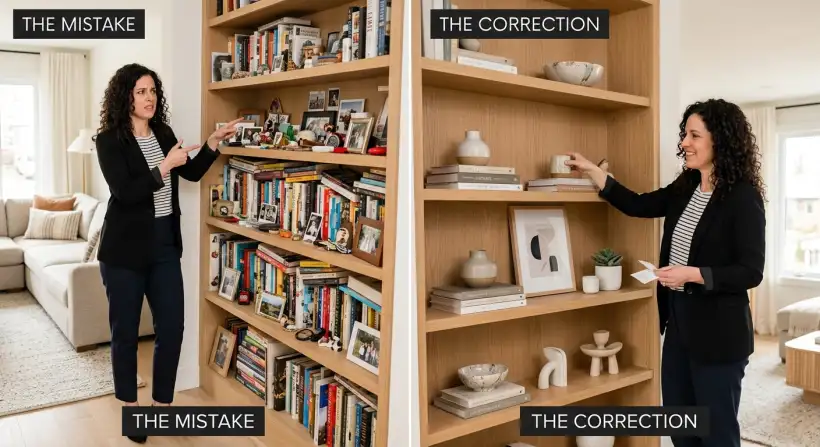
Are you getting ready to sell your home and wondering how to make it stand out? Deciding whether to stage your home yourself or hire a professional is important.
Staging can make a big difference in how fast your home sells and for how much, from decluttering to furniture placement.
This guide will cover the benefits, costs, and things to consider for both DIY and professional home staging. This will help you make a good decision.
Home staging is a key step in getting your property ready for sale. It means showing your home in the best way to attract buyers. The goal is to create a welcoming environment that lets buyers see themselves living there. An empty home can feel cold. Home staging turns the property into a lifestyle buyers want, increasing its appeal and value.
This guide looks at DIY versus professional home staging. It shows the advantages of each approach. We will also cover common mistakes to avoid, important staging techniques, and how staging affects your home's appraisal and sale speed. Whether you like doing it yourself or want experts, understanding these things will help you choose the right option.
Quick navigation
- The Advantages of Home Staging
- DIY Home Staging: A Practical Approach
- Professional Home Staging: When to Hire an Expert
- Common Home Staging Mistakes to Avoid
- Essential Home Staging Techniques
- The Impact of Home Staging on Appraisal and Sale Speed
- What this means for you
- Risks, trade-offs, and blind spots
- Main points
The Advantages of Home Staging
Home staging has several advantages over showing an empty home. Staging helps buyers imagine the space's potential, making it easier for them to connect with the property. It turns a house into a home, sparking interest. What are the main benefits?
Staged homes often sell faster. Buyers can quickly see the home's use and lifestyle when it has furniture and decorations. Staging also increases the value of a property. Furniture, accessories, and decor highlight the home's best features and make a good first impression. This can lead to higher offers and a more competitive sale.
Staging also lets sellers make their property stand out. In a crowded market, a well-staged home stands out, attracting more buyers and leading to a successful sale. Staging offers a good return on investment. The cost of staging is often offset by a higher selling price and a quicker sale. This makes it a good investment for sellers.
DIY Home Staging: A Practical Approach
DIY home staging can be a cost-effective way to prepare your home for sale, especially if you have a budget or like creative projects. How do you start?
First, declutter. Removing extra furniture, personal items, and clutter is important for making the space look bigger and more inviting. Clean the entire house, including windows, floors, and surfaces. A clean home is necessary for a good first impression. Next, focus on making the space neutral. Paint walls with neutral colors and remove bold decorations. This lets potential buyers imagine their things in the space.
Consider borrowing or renting furniture to furnish empty rooms. If you have furniture, rearrange it to make the best use of space. Use decor items like throw pillows, plants, and artwork to add warmth. Staging is about creating a lifestyle. You can also stage with your furniture by rearranging and adding new decor. You can find ideas and tips in this guide: Declutter Like a Pro: A Comprehensive Guide
Professional Home Staging: When to Hire an Expert
While DIY staging can work, sometimes hiring a professional home stager is best. When is it the right choice?
If you lack time or the skills for effective staging, a professional can save you time and effort. Professional stagers have a good eye for design. They can change a space to make it more appealing. If your home is in a high-value market, professional staging can increase its selling price. A staged home can stand out from other properties, attracting more buyers.
A professional stager will also have access to furniture rentals and decor. They can create a look that matches current trends. If your home has challenges, like small rooms or awkward layouts, a professional stager can improve the space. A professional understands buyers and will tailor the staging to the target buyers. Hiring a professional can lead to a quicker sale and a higher return on investment. This makes it a good decision for some sellers.
Common Home Staging Mistakes to Avoid
Whether you stage yourself or hire a professional, avoiding mistakes is important for making your home more appealing. What are the most common mistakes?
One of the biggest mistakes is not decluttering. Clutter makes a home feel smaller and less organized. This takes away from its potential. Not making the space personal is another mistake. Buyers should see themselves in the home, not feel like they are visiting someone else. Also, ignoring repairs can turn buyers away. Make sure everything works and fix any damage.
Having too much furniture can make a room feel cramped. Choose furniture that fits the space and allows for easy movement. Poor lighting can also affect the presentation. Make sure rooms have good lighting, using natural and artificial light. Finally, not paying attention to the home's outside is a missed opportunity. Curb appeal is the first impression. Keep the landscaping clean and make the entrance welcoming.
Essential Home Staging Techniques
Effective home staging involves key techniques that can change a space. What are the most important ones?
The first is the "3-foot, 5-foot rule." This rule suggests keeping things clear within 3 feet of the floor. Simplify and make visually appealing anything within 5 feet. This creates a sense of space and prevents a cluttered feel. Next, create focal points in each room. This could be a fireplace, a window view, or a seating area. Use neutral colors to create a backdrop so buyers can imagine their furniture.
Using textures and layers is also important. Use different textures like throw blankets, pillows, and rugs to add interest. Consider adding elements to bring nature into your home. You can find ideas and tips in this guide: Biophilic Home Staging: Expert Tips For
Pay attention to the flow of each room. Make sure it is easy to move around. Arrange furniture to help with conversation and interaction. Good lighting, both natural and artificial, can also change the space. Use natural light and add lamps or lighting to create a welcoming atmosphere. These techniques will make your home more appealing and help buyers imagine living there.
The Impact of Home Staging on Appraisal and Sale Speed
Home staging has a big impact on the appraisal value and how fast a home sells. How does it work?
Staged homes often appraise for a higher value because they look better. Appraisers consider the condition and appearance of the property. A well-staged home usually photographs better. This leads to more online views and buyer interest. This can lead to multiple offers and a quicker sale. Staged homes tend to sell closer to the asking price. Buyers will often pay more for a home that feels ready to live in and is well-maintained.
Staging also reduces how long the home is on the market. In many cases, staged homes sell faster than other properties. This is because of the improved appearance, which makes a good first impression and speeds up the buying decision. Home staging is a useful tool for sellers who want to get the most money and make the selling process easier.
What this means for you
Deciding between DIY and professional staging depends on your situation, budget, and the local real estate market. How do you make the right choice?
Think about your skills and time. If you like design and have time for staging, DIY staging might be a good option. If you are busy or not confident in your abilities, professional staging might be worth the investment. Consider your home's location and the current market. In a competitive market, professional staging can help you stand out. Evaluate your budget. DIY staging is cheaper, but professional staging can give a higher return on investment, especially in high-value markets. Assess your home's condition and make any needed repairs before staging. A well-staged home makes a strong first impression and encourages a sale.
Risks, trade-offs, and blind spots
Both DIY and professional home staging have risks, trade-offs, and blind spots. What are they?
With DIY staging, the main risk is that the results may not be as effective as professional staging. Poor staging could fail to attract buyers, and your home may take longer to sell. The trade-off is the time and effort you put in. DIY staging can take a lot of time. The blind spot is your view of your home. It can be hard to be objective about your decor and this can affect the staging.
With professional staging, the main risk is the cost. Professional stagers charge fees that could affect your profit. The trade-off is the potential return on investment. Professional staging costs money, but the higher selling price and quicker sale can offset the cost. The blind spot is that you may not have complete control over the design choices. It is important to find a stager whose style matches your preferences. Consider these risks, trade-offs, and blind spots to make a good decision. This will ensure the best outcome for your home sale.
Main points
Choosing between DIY and professional home staging requires careful thought. Here is a summary of the main points to remember.
- Home staging improves a property's appeal. It helps buyers imagine the space and increases its value.
- DIY staging can be cost-effective. It focuses on decluttering, cleaning, and rearranging furniture.
- Professional staging is good for those with limited time or experience, or for homes in competitive markets.
- Common staging mistakes include not decluttering, not making the space personal, and ignoring repair issues.
- Key staging techniques include the "3-foot, 5-foot rule," creating focal points, using neutral colors, and paying attention to room flow.
- Staging can affect the appraisal value and sale speed. This often leads to a higher selling price and quicker sale.
- The choice between DIY and professional staging depends on your skills, budget, and market conditions.
- Consider the risks, trade-offs, and blind spots of each approach to make an informed decision.
Think about your needs, the market, and your budget when deciding between DIY and professional home staging. The right approach can make a big difference in attracting buyers and maximizing your return on investment.