

Home Staging Secrets That Help Sell Your House Fast
Transform Your Home into a Buyer Magnet
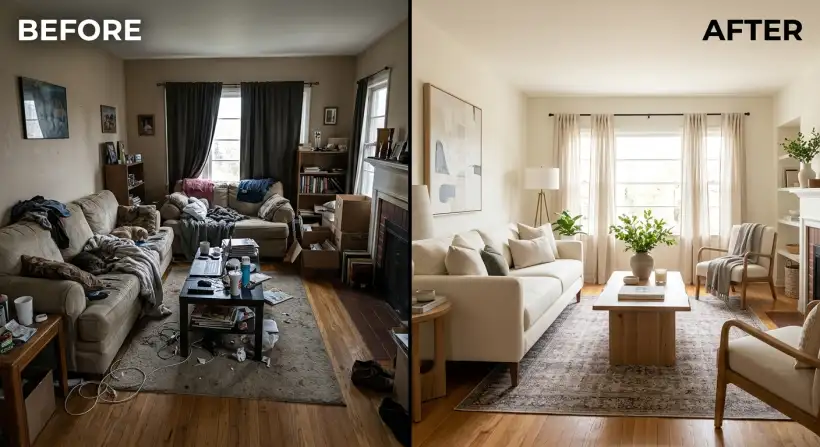
Are you ready to sell your house and get the best possible price? Home staging can be your secret weapon. It transforms your property from a house into a buyer's dream home.
Do not leave it to chance. Find out how strategic home staging can increase your property's appeal. It also speeds up the selling process.
From decluttering to optimizing curb appeal, we will uncover the secrets to staging your home. You can attract buyers and make a lasting impression.
Selling a home is a big task. How you present your property makes a difference. In the competitive real estate market, home staging is a key strategy. It attracts potential buyers and helps you sell quickly. This guide shows you the secrets of home staging. It gives you tips and strategies to change your house into a buyer's paradise. Use these techniques. You will sell your home successfully. The key is to make your home inviting. Show its full potential.
Want to improve your home's potential? Let's start.
Quick navigation
What this means for you
Home staging does more than make a house look pretty. It is a strategic process. It shows off your home's best features. It minimizes its flaws. It appeals to many buyers. The benefits include a faster sale and a higher selling price. You will also have a better experience. Stage your home well. You are selling a lifestyle and a dream.
Home staging helps buyers imagine living in your home. Create a welcoming environment. It will get their attention and emotions. This leads to quicker offers. Professional staging can highlight your home's unique selling points. This includes a spacious kitchen or a cozy fireplace. It also includes stunning views. A well-staged home stands out in a crowded market.
The Power of Decluttering and Depersonalizing
Decluttering and depersonalizing your space is a key step in home staging. Remove extra furniture and personal items. Remove anything that might distract buyers. Clutter can make a space feel smaller. Personal items like photos can make it hard for buyers to see themselves living there.
Start by going through each room. Remove anything you do not use often. Pack up personal belongings. This includes family photos and souvenirs. Consider renting a storage unit. Keep extra furniture and belongings out of the way. The goal is a clean, open, and neutral environment. This lets buyers focus on the home.
For more decluttering advice, check out this guide: Declutter Like a Pro: A Comprehensive Guide.
Curb Appeal: First Impressions That Count
Curb appeal is often the first thing a buyer sees. It sets the tone for the showing. Improving your home's exterior increases its value. It also attracts more buyers. This includes landscaping, cleaning the siding, and making the front door inviting.
Start by mowing the lawn and trimming bushes. Plant colorful flowers. Clean the walkways and driveway. Remove dirt or debris. Make sure your front door is clean. Paint it fresh. Add a new doormat and outdoor lighting. Make sure the house number is visible. These steps make a positive first impression.
Optimizing Space and Flow
Arrange furniture correctly. Optimize the flow of each room. This makes a space feel larger and more functional. Consider the layout and furniture size. Think about the overall function of the room. A well-designed space helps buyers move through the home. They can imagine living there.
In the living room, arrange furniture to create a focal point. This could be a fireplace or a window. Avoid overcrowding the space. Make sure there is room to walk around. In the dining room, a table and chairs make the space inviting. In bedrooms, consider the bed size and furniture placement. Think about the room's function.
The Art of Furniture Placement
The placement of furniture impacts the space and appeal of a room. The goal is to highlight the room's best features. Make it feel functional and inviting. The right furniture makes a difference. It can help you avoid a house sitting on the market.
Use fewer, larger furniture pieces in smaller rooms. This avoids a cluttered look. In larger rooms, create zones for different activities. Think of a seating area and a reading nook. Buyers should move through the space easily. The room should feel comfortable and functional.
Lighting and Ambiance: Setting the Mood
Lighting helps set the mood and highlight your home's best features. It can make a space feel warm and inviting. It can also make it feel cold. The right lighting choices can change a room. It can make it appear larger, brighter, and more appealing to buyers.
Open curtains and blinds during showings. This maximizes natural light. Use a mix of ambient, task, and accent lighting. Use lamps to create a warm atmosphere. Replace outdated fixtures with modern ones. Make sure the lighting in each room fits its function. A well-lit kitchen should inspire buyers to cook and entertain.
Risks, trade-offs, and blind spots
Home staging has many advantages. It is important to know about potential risks, trade-offs, and blind spots. These points help you make good decisions. You can also avoid common problems. One trade-off is the investment in time and money.
Home staging needs time, effort, and money. You might need to buy or rent furniture. You might also hire a professional stager. Some people do not want to invest this amount of money. Another potential blind spot is over-personalizing the space. You want to show off your home's potential. Do not make it too specific to your tastes. This could turn off potential buyers.
Weigh the costs and benefits of home staging carefully. Think about your budget and the market. Consider your property's needs. Be aware of potential risks. You will increase the chances of a successful sale.
Main points
- Declutter and Depersonalize: Remove extra items and personal belongings. Create a clean, neutral space.
- Enhance Curb Appeal: Improve your home's exterior. Do this through landscaping, cleaning, and painting.
- Optimize Space and Flow: Arrange furniture. Maximize the use of space. Ensure easy movement.
- Strategic Furniture Placement: Use furniture to highlight the room's best features. Create functional zones.
- Maximize Natural Light: Open curtains and blinds. Create a bright and airy atmosphere.
- Use a Mix of Lighting: Add ambient, task, and accent lighting.
- Consider Your Budget: Evaluate the costs and benefits of home staging.
- Hire Professionals: Consider using a professional home stager for best results.
Home staging is a good way to attract buyers and increase your home's value. Follow these secrets. You can change your property into a buyer magnet. This helps you sell faster. You will also make more money. Ready to start? Stage your home today. Watch the offers come in!