

How Home Staging Helps Buyers: A Comprehensive Guide
Maximize Your Home's Appeal and Value
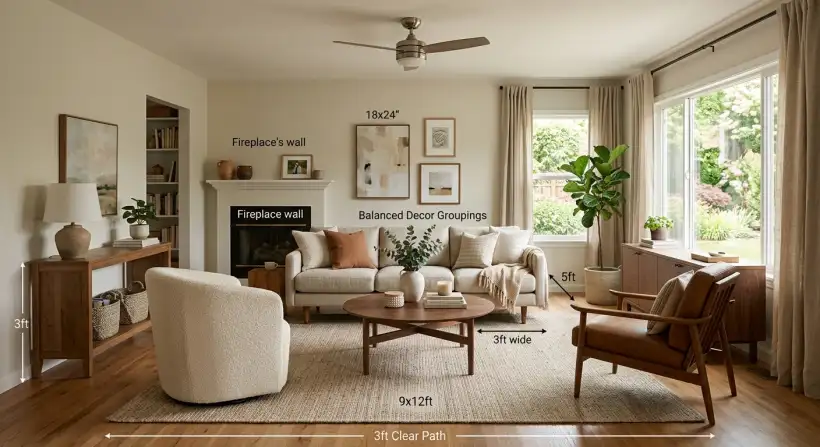
Are you selling your home? You want to make a good impression on potential buyers. Home staging is key to attracting the right buyers and selling quickly.
Imagine your home as an inviting space where buyers see themselves living. That is the power of home staging. Learn how staging helps you reach your real estate goals.
Home staging helps you show your property's best features. It includes decluttering, depersonalizing, and optimizing furniture placement. Make the best first impression.
Selling a home is a big step. You want the best return on your investment. Home staging is a good strategy. This guide explains how home staging helps buyers. It covers the benefits, strategies, and essential tips. Understand how home staging works. Then, you can turn your property into a desirable space. Attract the right buyers and sell for a good price. The key is understanding how home staging helps buyers.
Home staging prepares a property for sale. It appeals to many potential buyers. It includes decluttering, cleaning, repairing, and redecorating. These steps highlight the best features and create a welcoming atmosphere. It is an investment that increases a home's value. It speeds up the selling process. Effective home staging, like knowing how home staging helps buyers, makes a difference in a competitive market.
Quick navigation
What this means for you
Home staging is not just about making your home look nice. It is a strategic process. It creates an emotional connection with potential buyers. This connection encourages them to imagine living in the space. They are more likely to make an offer. For you, the seller, this means faster sales. You may get higher offers.
Understand how home staging helps buyers. Then, you can prepare your home to stand out in a busy market. It will highlight your home's unique features. It will improve its overall appeal. You will likely sell your home. A well-staged home shows a lifestyle, not just a house. This motivates buyers.
The Benefits of Home Staging
Home staging has benefits that impact your home sale. It attracts more buyers and increases the final sale price. Understanding these benefits is important for making decisions about staging your property. What are the key benefits of home staging?
First, home staging attracts more potential buyers. Staged homes make a strong first impression. Buyers often make quick decisions. This initial appeal is important. A well-staged home stands out from the competition. It draws more views. Second, staging can lead to a quicker sale. A move-in-ready property reduces the effort for buyers. This ease speeds up the decision-making process. You can sell faster.
Staged homes often sell for a higher price. Buyers often pay more for a home that is well-maintained, attractive, and ready to move into. The increased value justifies a higher price. You may get a better return on your investment. Home staging helps buyers see the space. Buyers imagine their life in the space. This is an important emotional connection that influences their buying decisions.
Key Home Staging Strategies
Effective home staging is more than rearranging furniture. It is a complete approach that uses key strategies. These tactics create an appealing environment and highlight a property's best features. What are the core strategies to stage a home?
First, declutter. A cluttered home makes a space feel smaller. It is less inviting. Removing extra items creates a cleaner, more spacious appearance. Potential buyers can focus on the home. Second, depersonalize the space. Remove personal items, like family photos. Let buyers imagine their lives in the home. This helps buyers connect with the space.
Next, optimize furniture placement. Arrange furniture to maximize the space and flow of each room. Ensure furniture fits the space. Place furniture to create clear pathways and focal points. Also, lighting is important. Open curtains and blinds to let in natural light. Use lamps and fixtures. Proper lighting improves the look and highlights the home's best features.
Finally, focus on curb appeal. First impressions matter. Make sure your home's exterior is well-maintained and inviting. This includes landscaping, cleaning the facade, and making the entrance welcoming. This is another key part of knowing how home staging helps buyers.
Risks, trade-offs, and blind spots
Home staging has many benefits. It is important to know the potential risks, trade-offs, and areas that need careful thought. Understand these potential drawbacks to make an informed decision. What potential problems should you know about?
One risk is the upfront cost. Home staging can cost money for decluttering, repairs, and possibly renting furniture and decor. The investment can be offset by a higher sale price. Careful budgeting and planning are needed. Another trade-off is the time and effort. Prepare your home for staging. It takes time and effort. You will need to declutter, clean, and make repairs. Be prepared to spend the time needed to make your home look good.
A potential blind spot is over-personalization. Depersonalization is important. Do not create a space that feels too sterile or impersonal. The goal is to create a welcoming environment that buyers connect with. Do not make the space feel lifeless. Find a balance to create the best setting for attracting a buyer.
There is a risk of underestimating professional advice. You can stage your home yourself. A professional home stager provides valuable insights. They make sure your home looks its best. They can help you optimize space and appeal. Be aware of the risks, trade-offs, and blind spots. You can make a good decision about how home staging helps buyers in your situation.
Home Staging Tips and Tricks
Use these tips and tricks to get the most from home staging. These steps can transform your property and attract potential buyers. What steps can you take to improve your home staging?
First, declutter everything. Remove all unnecessary items from your home. This includes personal belongings, extra furniture, and clutter from countertops and surfaces. This creates a sense of space. Buyers can focus on the home's features, like those found in decluttering guides.
Second, clean and repair everything. Make sure your home is spotless. Make any needed repairs, like fixing leaky faucets, patching holes in walls, and replacing broken fixtures. A clean and well-maintained home shows that the property is well-cared for. Third, enhance curb appeal. The exterior is the first thing buyers see. Make it inviting. This includes landscaping, mowing the lawn, and adding plants or flowers.
Next, use neutral colors. Neutral paint colors create a blank canvas. This appeals to many buyers. They make the space feel larger and more inviting. Buyers can imagine their own decor. Finally, focus on lighting. Open curtains and blinds to let in natural light. Use lamps and fixtures. Good lighting improves the look and highlights the home's best features. Use these tips and tricks. You can create a home that buyers like. Set up a successful sale.
Main points
Understand how home staging helps buyers for a successful sale. Here is a summary of the key points:
- Home staging makes your home more appealing and attracts more buyers.
- Staging can lead to faster sales and higher offers.
- Effective staging includes decluttering, depersonalizing, and optimizing furniture placement.
- Curb appeal is a vital part of staging as it makes a great first impression.
- Neutral colors and good lighting create a welcoming environment.
- Consider a professional for expert advice and to improve the staging.
- Home staging helps buyers see themselves in the space, creating an emotional connection.
- Focus on repairs and cleaning to show the property is well-maintained.
Want to make your home irresistible to buyers? Start staging today! Follow these guidelines. You can improve your home's appeal, attract more buyers, and sell your home. Home staging is a good investment. Start using these tips and strategies to transform your home. Maximize its potential in the market.