

How Lighting Experiments Change a Room: A Comprehensive Guide
Uncover the secrets of light and shadow in interior design.
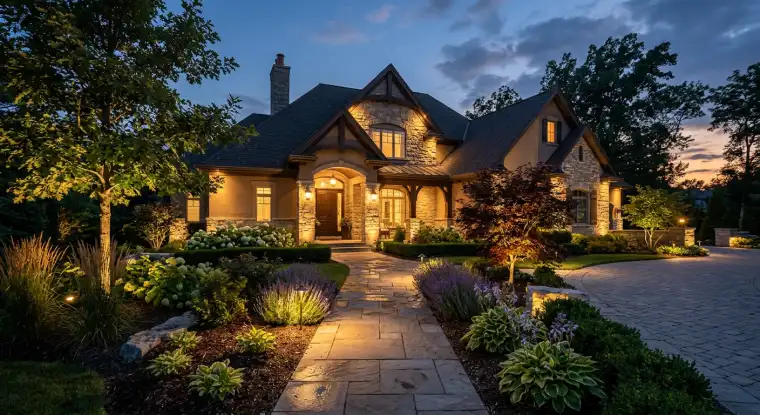
Have you walked into a room and felt a certain mood, such as calm, energetic, or cozy? Lighting often sets the mood.
Understanding how lighting affects a space is important. Every element has a role, from a lamp's placement to the bulb's color.
Ready to change your home? This guide shows you how lighting experiments change a room. It provides expert insights and practical advice.
Lighting is a key part of interior design. It is often overlooked. The right lighting can change a space. It can make a space feel larger, warmer, or more inviting. This guide explains lighting design. It shows you how to use light to get the look and function you want. We will explore the different types of light, experimenting with color, and placement. Discover how lighting experiments change your living spaces. You will find practical tips and inspiration for all skill levels. Light affects your mood, productivity, and well-being.
Let's begin.
Quick navigation
The Fundamentals of Lighting Design
Good lighting design needs an understanding of its key parts. Light sources, light color, and the placement of those sources define a room. Let's start with the basics.
First, there is natural and artificial light. Natural light, from the sun, is often best. It affects mood and health. Large windows, skylights, and mirrors can help. Artificial light gives you more control over lighting. It comes in different forms, including ambient, task, and accent lighting.
Next is light intensity. This is the brightness of a light source, measured in lumens. The right intensity is key to the right mood and function. A bedroom might need lower intensity lighting for relaxation. A kitchen needs brighter lighting for food preparation. Finally, light distribution is key. Direct light casts a sharp shadow. Diffused light spreads more evenly, creating a softer effect. Knowing how these fundamentals interact is the base for any successful lighting experiment.
Types of Lighting: A Deep Dive
Understanding the different types of lighting is key to a well-lit and functional space. Each type has a purpose. Combining them creates a layered effect. This improves both looks and practicality. What are the different types of lighting and how do they work?
Ambient Lighting: Ambient lighting is general lighting. It provides overall light for a room. It sets the base level of brightness and allows safe navigation. Common sources include recessed lights, ceiling fixtures, and chandeliers. A room with not enough ambient lighting can feel gloomy, even with other forms of lighting.
Task Lighting: Task lighting focuses on specific activities, such as reading, cooking, or working. It gives you the light you need to do these tasks. Examples include desk lamps, under-cabinet lights, and reading lights. Without enough task lighting, you can experience eye strain and lower productivity.
Accent Lighting: Accent lighting highlights specific features, such as artwork, details, or textures. It adds interest and depth to a room. Track lighting, spotlights, and wall sconces are common accent lighting fixtures. What would a gallery be without spotlights?
How Light Affects a Room's Appearance
Light has a big impact on a room's appearance. It affects the size of the space and the mood. But how do you maximize these effects?
First, the direction of light changes how a space looks. Light from above can make a room feel taller. Horizontal light can emphasize length or width. Placing light fixtures near walls can make a room feel larger. The light creates an expansive effect.
Second, the brightness and intensity of light are important. Brighter light generally makes a room feel more open and energetic. Dimmer light creates intimacy and relaxation. You can achieve this with dimmers and adjustable fixtures.
Finally, the color of the light impacts the feel of the room. Warm light, with yellow or orange hues, makes a space feel cozy and inviting. Cool light, with blue or white tones, creates a modern aesthetic. Experimenting with different colors and intensities is key to your desired effect.
Color Temperature and Its Impact
Color temperature, measured in Kelvin (K), is key to how light affects a room's atmosphere. It refers to the warmth or coolness of the light from a bulb. What are the key ranges and how do you use them?
Warm Light (2700K-3000K): This range produces a soft, yellowish glow. It is often linked to coziness and relaxation. It is ideal for living rooms, bedrooms, and dining areas. It creates an inviting atmosphere, perfect for unwinding.
Neutral Light (3500K-4100K): This is a balanced light. It is not too warm or too cool. It is suitable for kitchens, bathrooms, and home offices. It provides good visibility for tasks and works well where a natural look is desired.
Cool Light (5000K-6500K): This range gives a bright, bluish-white light. It is ideal for areas where focus and concentration are needed, such as workspaces and garages. Cool light is more energizing. It can make a room feel more spacious. However, it may not be suitable for relaxation.
Layering Your Lighting
Layering lighting is the art of combining different types of light sources to create a balanced lighting scheme. This approach ensures you have the right light for any occasion. This includes working, relaxing, or entertaining. How do you approach layering?
Start with ambient lighting. This provides the base light for the room. Then, add task lighting in areas where you do specific activities. Examples include reading corners or kitchen counters. Finally, add accent lighting to highlight features and add visual interest. Combining these three layers can change any space.
Think about dimmers and adjustable fixtures. They let you change the intensity of your lights. This flexibility helps you control the mood and function of the space. Also, remember that different rooms need different layering approaches. Bedrooms might benefit from ambient and task lighting. Living rooms often use a mix of all three.
What this means for you
Understanding lighting principles helps you make decisions when designing or renovating your home. Whether you want a cozy retreat or a functional workspace, the right lighting can improve your living experience. Experimenting with light lets you customize your spaces. You can make them reflect your style and needs. With this knowledge, you can now analyze your spaces. You can decide what changes are needed to create the perfect home.
Risks, trade-offs, and blind spots
The benefits of proper lighting are many. It is important to know the potential problems. Too much bright lighting can cause glare and eye strain. Not enough lighting can make a room feel gloomy and unwelcoming. Incorrect color temperatures can affect the mood and look of the room.
One trade-off is the cost of a well-designed lighting scheme. High-quality fixtures and professional installation can be expensive. Energy efficiency is also key. Using LED bulbs and smart lighting systems can help reduce energy use.
A blind spot can be not considering the natural light in the room. Always consider the amount and type of natural light available. Be mindful of the windows and the time of day. This will help you make the most of what you have. Understanding these risks will let you make the right choices for your lighting experiments.
Main points
- Types of Lighting: Ambient, task, and accent lighting each have unique purposes in a room.
- Light's Impact on Appearance: Light direction, brightness, and color temperature greatly affect a room's perceived size and mood.
- Color Temperature: From warm to cool, it significantly influences the atmosphere of a room.
- Layering Lighting: It allows you to create balanced lighting schemes to suit different needs.
- Natural vs. Artificial Light: Each provides unique benefits.
- Experimentation: Consider your needs and experiment with different setups to find what works best.
- Energy Efficiency: Make the most of LED bulbs and smart lighting systems.
- Professional Advice: Consult with lighting experts for a personalized lighting design.
By understanding and experimenting with light, you can have a new level of comfort and style in your home. Use the knowledge you gained and begin experimenting with lighting. With a few simple changes, you can change your home into a space that reflects your personality and meets your needs. Need help decluttering before your next project? Check out decluttering tips. For more inspiration on home staging, explore biophilic design.