

How Natural Light Changes the Way You Experience a Space
Unveiling the Profound Impact of Sunlight on Your Well-being and Environment
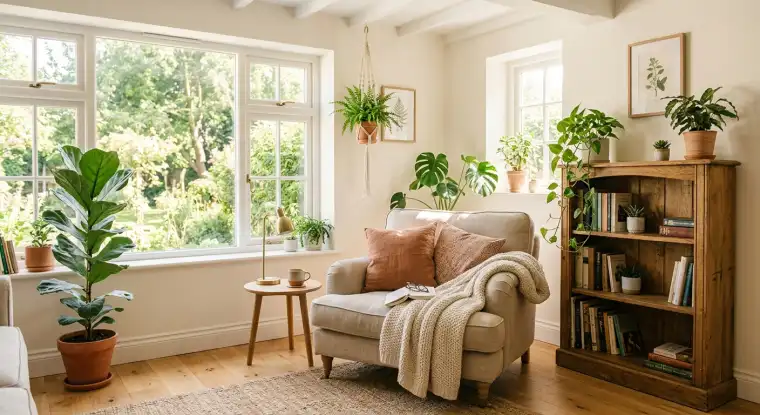
Have you ever walked into a room and immediately felt a sense of calm, joy, or energy? Often, the secret is natural light. It changes a space into an experience.
Sunlight affects your mood and productivity. Its impact on your well-being is clear. Understanding how natural light changes a space helps you create environments that help you.
This guide explores the science and art of natural light. It shows you how to use its power in your life and design choices.
Natural light does more than illuminate. It shapes how you see and interact with your surroundings. It affects your mood, energy levels, and overall well-being. Sunlight and a space work together to create environments that connect with you. This guide explores how natural light influences interior design and daily living.
Quick navigation
The Science Behind Sunlight: How Light Impacts Us
Sunlight affects you because of basic biology. Your body responds to the sun's rhythms. The presence or absence of natural light affects your health and well-being. Think about the warmth on your skin or how your mood lifts on a bright day. These are direct effects of sunlight on your body.
Sunlight helps you make vitamin D. Vitamin D is essential for bone health and your immune system. It also controls your circadian rhythm. This is your internal clock that controls your sleep-wake cycle. Sunlight helps control melatonin and serotonin levels. These hormones affect sleep, mood, and cognitive function. But how does this work?
The intensity and quality of light are important. For example, the blue light in sunlight can stop melatonin production. This helps you stay alert during the day. Spending time outside can be invigorating. Using screens, which emit blue light, can disrupt sleep patterns if you use them late at night. The lack of sunlight can lead to Seasonal Affective Disorder (SAD). SAD is a type of depression linked to less sunlight during certain times of the year. Do you want sunlight, especially during the colder months?
The Psychological Effects of Natural Light
Natural light has strong psychological effects. It affects your mood, productivity, and overall well-being. Studies show that natural light reduces stress, improves focus, and enhances creativity. This is because of both physical and environmental factors.
Sunlight can improve your mood by boosting serotonin levels. Serotonin is the neurotransmitter linked to happiness and well-being. People often feel happier and more energetic on sunny days. Natural light also affects how you see space and time. A well-lit room feels larger, more inviting, and less confining than a dimly lit one. The color of light, including its temperature and intensity, can also shape your experience of a space. Warm light, like during sunrise and sunset, creates coziness and relaxation. Cooler light, like on a bright day, can energize you. Are you aware of how the color of light affects your emotions?
Natural light can connect you with the outdoors. This connection gives you a sense of peace and tranquility. This connection with nature is important for mental well-being. Bringing natural light into a space can reduce feelings of isolation. It also improves the atmosphere of a home or workplace. Design elements that increase natural light exposure are helpful for mental health.
Designing with Light: Maximizing Natural Illumination
Good interior design means understanding how to use natural light. This involves considering the direction of sunlight, the size and placement of windows, and materials that reflect and spread light. The goal is to create an environment where natural light improves the room's function and appearance.
Orientation is important. South-facing windows get the most direct sunlight. They are ideal for living areas. East-facing windows get the morning sun. This is perfect for bedrooms and kitchens. North-facing windows offer consistent, indirect light. This is good for art studios or offices. Place windows strategically. High windows bring in light while keeping privacy. Large windows create a sense of openness and connect the inside with the outside. How do you choose the best window placements?
Use reflective surfaces, such as mirrors, light-colored walls, and glossy finishes, to increase natural light. Mirrors across from windows can double the light in a room. Light-colored walls and ceilings bounce light around. This makes the space feel brighter. Avoid heavy window treatments and things that block sunlight. Use sheer curtains or blinds to let light through. This keeps your privacy while letting in sunlight. You can create a beautiful and functional space that uses the sun.
Natural Light in Home Staging: Creating Desirable Spaces
In home staging, natural light is important for attracting buyers. It improves the overall appeal of a property. Well-lit spaces look larger, cleaner, and more inviting. This makes a good first impression. It affects a buyer's view of the property's value.
Home stagers focus on natural light. They open curtains and blinds, remove anything blocking windows, and make sure all windows are clean. They may use mirrors to reflect light and make a room look bigger. The goal is to highlight the best parts of a property. They want to create an emotional connection with buyers. A bright, airy space is welcoming. It shows off the architectural details and design elements of a home. Is it surprising that natural light is considered a major selling point in real estate?
Home stagers create a space that feels open, clean, and well-lit. This encourages buyers to imagine living there. This can help sell the property. For more home staging tips, explore decluttering strategies to maximize space and biophilic design elements to enhance the natural environment.
What this means for you
Understanding natural light helps you create spaces that improve your well-being. Using these ideas in your home or workplace can create a better and more productive environment.
By using natural light, you can improve your mood, increase your energy levels, and create a more comfortable atmosphere. Think about your daily habits and how you can make small changes to let more light in. Maybe you move your desk closer to a window. Or you choose lighter colors. These changes can help your physical and emotional health.
Risks, trade-offs, and blind spots
There are benefits to natural light. There are also things to consider. Too much sunlight can cause health problems, such as skin damage and eye strain. It is important to find the right balance between enjoying the benefits of natural light and protecting yourself.
Maximizing natural light can increase heating and cooling costs in some climates. The direction of windows and energy-efficient glass can help with this. You have many options, from window placement to blinds, but you must know the different trade-offs.
Main points
- Natural light affects your mood, energy, and overall well-being.
- Sunlight helps you make Vitamin D. This is important for bone health and your immune system.
- Natural light regulates your circadian rhythm. This improves sleep and cognitive function.
- You can maximize natural light with strategic window placement and reflective surfaces.
- In home staging, well-lit spaces attract buyers and increase a property's appeal.
- Too much sunlight can cause health risks. You need a balanced approach.
- Consider energy efficiency and climate when designing for natural light.
- Make small changes in your environment. Open curtains and choose light colors to let more light in.
The power of natural light is clear. By understanding its impact and using these ideas, you can create environments that support your health and happiness. Now, use the sun to create spaces that help you!