

How Poor Home Staging Can Cost You a Sale
Avoid these common mistakes to maximize your home's appeal and value.
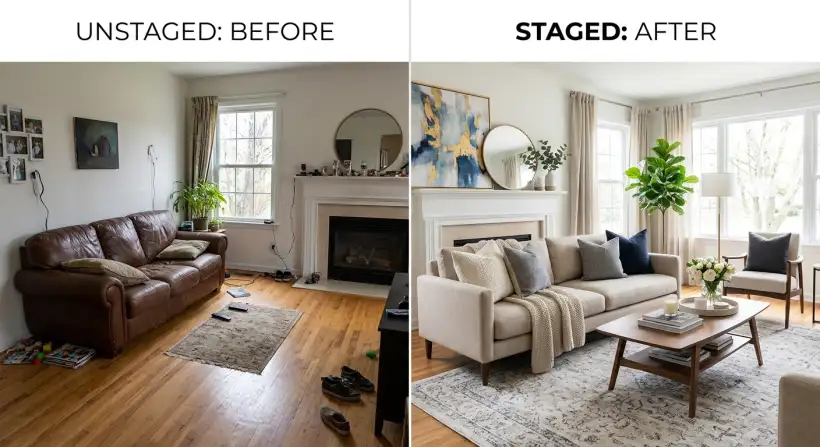
Have you ever walked into a house and felt uncomfortable? Poor staging can have that effect. It can turn buyers away before they imagine living there.
Good staging can make a property feel larger, brighter, and more inviting. This leads to faster sales and better offers. But what happens when the staging is bad?
Let's look at the common problems with poor home staging. See how they can affect your finances. Also, we will answer: Does staging a home make it sell faster?
Home staging is important in real estate. It changes a house into a welcoming home that buyers can imagine themselves in. The wrong approach can be harmful. Bad home staging can lead to a longer time on the market. It can also lead to lower offers and a frustrating selling experience. It is important to know the common mistakes and how to avoid them.
This guide will explore the important parts of effective home staging. You will learn how to avoid mistakes that can hurt your sale. We will cover decluttering, neutral colors, and more. We will also review the 3-3-3 rule and the 3-foot 5-foot rule in the context of staging. Let's begin.
Quick navigation
The Impact of Poor Staging
Poor staging can change how buyers see your home. It can create a bad first impression that is hard to fix. How does this happen?
Bad staging can result in:
- Reduced Buyer Interest: Homes with poor staging often do not get the attention of buyers.
- Extended Time on Market: Properties that do not appeal to buyers can stay on the market longer.
- Lower Offers: Buyers may not want to pay a high price for a home that is not inviting or well-maintained.
Common Staging Mistakes to Avoid
Many common mistakes can ruin your home staging. Do you know which ones to avoid?
Here are some of the most frequent errors:
- Over-Personalization: Keeping too many personal items, such as family photos, can make it hard for buyers to see themselves in the space.
- Clutter: Too much clutter makes a home feel smaller, less organized, and less appealing.
- Ignoring Curb Appeal: Not taking care of the outside of your home can create a bad first impression.
- Poor Lighting: Dark or not enough lighting can make rooms feel gloomy and not inviting.
- Ignoring Repairs: Not fixing necessary repairs, such as leaky faucets or cracked walls, can tell buyers the home is not well-maintained.
The Power of Decluttering and Organization
Decluttering is one of the most important steps in staging. Are you ready to take a minimalist approach?
Decluttering means removing unnecessary items from your home. This creates a clean, spacious, and inviting atmosphere. A clutter-free environment lets buyers focus on the home's features. Consider these steps:
- Remove excess furniture: Make rooms simpler by removing furniture that makes the space crowded.
- Organize closets and storage areas: Buyers often look at these areas to see how much storage there is.
- Pack up personal items: Remove family photos, collections, and other items that might distract buyers.
For more decluttering tips, explore this guide: Declutter Like a Pro: A Comprehensive Guide
The Role of Color and Design
Color and design are important in creating an appealing home environment. Are you considering the impact of your color choices?
Use neutral colors to create a sense of calm and space. Avoid bold, personal colors that might not appeal to all buyers. Make sure the design elements fit the home's style and create a consistent look. Here is a quick guide:
- Neutral Walls: Paint walls in neutral colors like white, beige, or light gray.
- Consistent Flooring: Make sure the flooring is clean and in good condition. Consider replacing old flooring.
- Strategic Furnishings: Use furniture that fits the rooms and complements the overall design.
Learn more about how staging can enhance your home's appeal: Biophilic Home Staging: Expert Tips for a Harmonious Home
The Importance of Curb Appeal
Curb appeal is often the first impression a buyer gets. Are you maximizing your home's first impression?
Improving your home's exterior can increase its value. Curb appeal is about creating an attractive and welcoming look from the street. Here are some key steps:
- Landscaping: Keep your lawn trimmed and plant colorful flowers.
- Exterior Cleaning: Wash the siding, sidewalks, and driveway to remove dirt.
- Entryway: Make sure the front door is clean and well-maintained. Add a doormat and some plants.
Does Home Staging Really Sell Homes Faster?
The big question: Does home staging make a difference in how fast your home sells? Is staging worth it?
Yes, home staging can speed up the selling process. Staged homes often spend less time on the market. They usually sell faster than homes that are not staged. They create a positive first impression that encourages buyers to make an offer. This is where the 3-3-3 rule and the 3-foot 5-foot rule come in.
The 3-3-3 Rule: This is a general guideline for maximizing curb appeal. Imagine a buyer has three seconds to see your home. Can they tell if it is a house they want to see? Clean up the lawn, remove all junk, and make it welcoming. Inside, the same rule applies. Buyers usually decide in three seconds if a home is right for them. Make sure the house has no distractions.
The 3-foot 5-foot Rule: This applies to the inside of the house. From three feet, you can quickly see the room's layout and condition. From five feet, you can see details like furniture, colors, and the overall feel. Make sure your house meets these conditions.
What this means for you
Understanding staging can change your selling strategy. Are you ready to see how bad staging can affect your sale?
Poor staging can lead to missed opportunities, resulting in these consequences:
- Reduced Offers: Buyers are less likely to offer a high price for a property that feels unwelcoming.
- Prolonged Market Time: A poorly staged home will stay on the market longer, increasing your costs.
- Negative Perception: Buyers may think a poorly staged home has hidden problems.
Risks, trade-offs, and blind spots
Home staging has benefits, but it also has potential downsides. Are you aware of the risks and trade-offs?
Potential downsides include:
- Cost: Professional staging can be an extra expense, but the benefits often outweigh the costs.
- Time Investment: Decluttering, cleaning, and staging a home can take a lot of time.
- Subjectivity: Design preferences can be different, and some staging choices may not appeal to all buyers.
Main points
Effective home staging can be the key to a successful sale. Are you prepared to avoid the problems and maximize your home's appeal?
- Prioritize Decluttering: Remove extra items and personal belongings to create a spacious feel.
- Embrace Neutral Colors: Use neutral colors to appeal to many buyers.
- Enhance Curb Appeal: Improve the outside appearance to make a strong first impression.
- Address Repairs: Fix any noticeable issues to show the home is well-maintained.
- Optimize Lighting: Make sure rooms are well-lit to create a warm and inviting atmosphere.
- Consider Professional Help: If possible, hire a professional home stager.
- Apply the 3-3-3 Rule: Make sure buyers can see the key qualities of your house in three seconds.
- Follow the 3-foot 5-foot Rule: Make sure buyers have a positive impression of the details in your house.
By following these steps, you can improve your home's appeal. You can attract more buyers and sell faster and for more money. Do not let poor staging cost you a sale. Invest in showing your home in its best light today.