

How Small Homes Become Stylish: A Guide to Maximizing Style and Space
Discover design secrets for compact living that is both functional and chic.
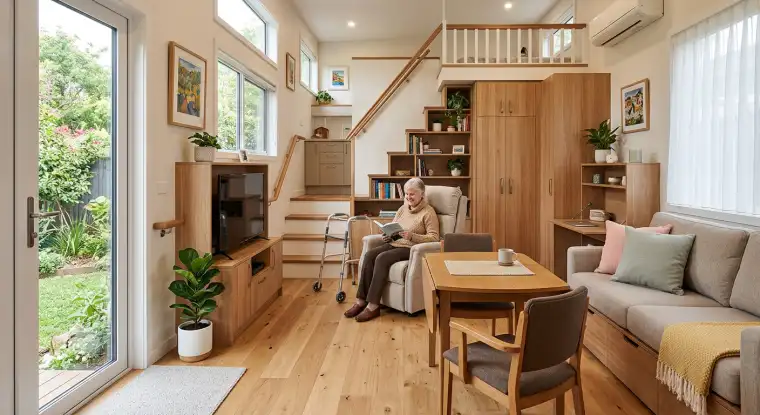
Do you dream of a home that’s both stylish and manageable, but think square footage holds you back? Think again. Small homes offer unique design opportunities.
From clever layouts to smart storage solutions, discover how to transform a compact space into a stylish sanctuary. Embrace the minimalist charm, maximize every inch, and unlock your home's full potential.
Get ready to explore innovative design concepts and create a home that's perfectly suited to your lifestyle. Stylish living in a small home is not just possible; it’s an art form.
Small homes are popular now. You might want a minimalist lifestyle, affordability, or a sustainable way of living. But, turning these small spaces into stylish and functional homes is a challenge. This guide shows you how to make the most of your small home. It focuses on design strategies, space optimization, and how to avoid common mistakes. You can create a stylish and comfortable home, no matter the size. Think creatively, plan well, and use the unique possibilities of a small home.
Quick navigation
Understanding Small Home Design
Designing a small home is different from designing a large one. The goal is to make the space feel open, airy, and functional, even with less space. Consider every design element. Think about the layout, storage, colors, and furniture. Make the most of every inch, and remove clutter. Assess the current layout and find ways to improve it. You might change walls, improve traffic flow, or use multi-functional furniture. What are some initial design considerations for maximizing space in a compact home?
Planning Your Layout
Plan your layout carefully. The layout should allow easy movement, maximize natural light, and create zones for different activities. Open-plan designs often work well in small homes. They make the space feel larger and more connected. Define separate zones to create order. Use furniture, rugs, or different flooring to separate areas for living, dining, and sleeping. Plan for traffic flow. Make sure pathways are clear. Think about the placement of windows and doors, and how they can improve natural light and ventilation. Is it possible to have both functionality and style when planning the layout of a small home?
Maximizing Space with Smart Storage
Storage is important in small homes. Every piece of furniture should have multiple uses. Built-in storage, like shelves and cabinets, can maximize vertical space. Use hidden storage, like ottomans with storage, beds with drawers, and under-stair storage. Declutter regularly to keep your space tidy. Keep only the items you use. Find creative ways to store the rest. Vertical storage, like tall bookshelves or narrow storage units, can also help. How can you strategically incorporate storage to keep a small home organized and visually appealing?
Choosing the Right Colors and Materials
Colors and materials affect how a small home looks. Light, neutral colors make the space feel larger. Dark colors can make it feel smaller. Use a similar color scheme to create flow. Mirrors also help expand the space. They reflect light and create a feeling of openness. Choose materials that are durable, easy to clean, and attractive. Consider using materials with reflective surfaces, like glass or polished metal, to make the space feel bigger. How do different colors and materials affect the overall feeling of spaciousness in a small home?
The Impact of Lighting
Lighting is important in small homes. Good lighting can make a small space feel larger, brighter, and more inviting. Use both natural and artificial light. Maximize natural light by keeping windows clear and using light-colored curtains or blinds. Use mirrors to reflect natural light. Use a mix of ambient, task, and accent lighting to create different moods and highlight areas. Recessed lighting can save space and provide even light. Using multiple light sources improves the functionality and look of a small home. What innovative lighting solutions can transform a small home into a comfortable and stylish space?
Furniture Selection and Placement
Choose the right furniture to maximize space and function. Choose furniture that fits the space. Consider multi-functional pieces. A sofa bed can be seating and a sleeping area. A dining table can also be a desk. Storage ottomans and coffee tables with storage can help. Think about traffic flow when placing furniture. Make sure pathways are clear. Avoid too much furniture. Choose a few essential pieces that have multiple uses. Oversized furniture can make a small space feel cramped. How can furniture choices enhance the functionality and aesthetic appeal of a small home?
What this means for you
You can design a stylish small home. Understand how to optimize space, choose the right colors and materials, and select versatile furniture. You can create a comfortable and inviting home. Be creative and strategic in your design choices. Make sure everything adds to the look and function of your space. Focus on the essentials. Use the unique opportunities that a small home offers.
Risks, trade-offs, and blind spots
Small homes have advantages, but they also have trade-offs. One challenge is limited storage space. You need to plan and stay organized. Small homes may lack privacy, especially with open-plan layouts. Noise can travel easily. It might be hard to find a quiet space for work or relaxation. Renovating or furnishing a small home can cost more per square foot. Also, consider the resale value. It may not appeal to all buyers. You need to consider the size of furniture and décor to avoid clutter. However, you can manage these challenges and create a stylish and functional living space.
Main points
- Plan the Layout: Maximize space by creating an efficient flow and utilizing open-plan designs.
- Smart Storage: Incorporate built-in and hidden storage to declutter and maximize space.
- Color Choices: Use light, neutral colors and mirrors to create a sense of spaciousness.
- Lighting: Combine natural and artificial light to make the space feel brighter and more inviting.
- Multi-functional Furniture: Select furniture that serves multiple purposes.
- Declutter Regularly: Eliminate unnecessary items to keep the space tidy and functional.
- Consider Scale: Ensure furniture is appropriately sized for the space to avoid a cramped feeling.
- Embrace Vertical Space: Use tall shelves, and wall-mounted storage to maximize storage.
You can turn a small home into a stylish and functional space with careful planning. Focus on design, space optimization, and furniture choices. You can create a living space that is both beautiful and practical. Start designing your stylish small home today. Discover the possibilities. Explore how decluttering can enhance your small home design and discover the principles of biophilic design to bring the outdoors inside.