

How Smart Furniture Layout Can Transform Your Small Space
Maximize space and style with intelligent design choices
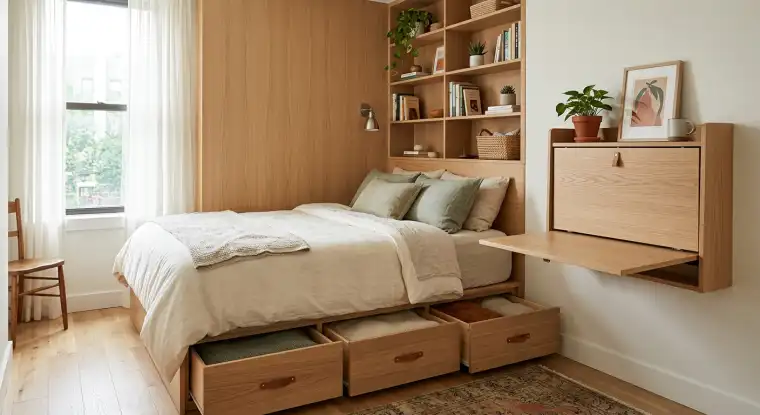
Do you want a stylish, functional living space but feel cramped? You are not alone. Many homeowners and renters struggle to make the most of a small space.
The good news is that smart furniture layout and design can transform even the smallest rooms. From clever storage to multi-functional pieces, you can optimize your space in many ways.
Ready to use your small space to its full potential? This guide shows you how smart furniture layout can make a big difference.
In today's world, urban living and compact homes are common. The ability to maximize space is more important than ever. Strategic furniture layout is key to using a small space's potential. If you have a tiny living room, a small bedroom, or a studio apartment, arranging your furniture well can change your home's function and look. This guide gives you a complete overview of how to use smart furniture layout to change your small space into a stylish, comfortable, and efficient living area.
Quick navigation
The Fundamentals of Small Space Design
Before you arrange furniture, you must understand the basic principles of small space design. These principles guide your choices and help you create a functional space. Consider these points:
- Prioritize Functionality: Every piece of furniture should have a purpose. Ask yourself if each item is essential or if a multi-functional item can replace it.
- Scale and Proportion: Do not use oversized furniture that takes over the room. Choose pieces scaled for the space to create a balanced look.
- Maximize Vertical Space: Use shelves, tall cabinets, and wall-mounted storage.
- Light and Bright: Use light colors on walls and furniture to make the room seem bigger. Use natural light and strategic lighting to brighten the room.
- Flow and Circulation: Make sure there is enough space to move around comfortably. Do not block pathways and create a natural flow.
By keeping these fundamentals in mind, you can make informed decisions about your furniture layout. You can create a small space that is both stylish and functional. But what specific strategies should you use?
What this means for you
Using smart furniture layout can improve your life in a small space. It means creating a home that feels less cramped and more inviting. Here is what it means for you:
- Enhanced Functionality: Every inch of your space is optimized for daily living. You can comfortably do your activities.
- Increased Comfort: A well-designed layout can make your home feel more spacious and less cluttered. This improves your comfort and well-being.
- Improved Aesthetics: Smart choices can result in a stylish space that reflects your personality and tastes, even with limited space.
- Reduced Stress: A well-organized space leads to a more relaxed and stress-free environment. It is easier to unwind after a long day.
- Greater Efficiency: Everything you need will be within easy reach, making your home more efficient.
Multi-Functional Furniture: Your Space-Saving Secret Weapon
Multi-functional furniture is helpful in small spaces. These versatile pieces have multiple uses. They help you save space without sacrificing style or function. Here are some examples:
- Sofa Beds: Sofa beds are perfect for guest rooms or studio apartments. They provide seating during the day and a sleeping space at night.
- Storage Ottomans: These ottomans give you a comfortable place to rest your feet. They also provide hidden storage for blankets, pillows, or other items.
- Coffee Tables with Storage: Choose a coffee table with drawers or a lift-top design to store remotes, magazines, and other living room items.
- Extendable Dining Tables: These tables can fit more guests. They can also fold down to save space.
- Beds with Built-In Storage: Consider a bed frame with drawers or storage compartments to maximize space under your mattress.
- Fold-Down Desks: These desks are ideal for home offices. They fold up against the wall when not in use. This frees up floor space.
You can make the most of every square foot of your small space by using multi-functional furniture.
Decorating Rules and Considerations for Small Spaces
Besides furniture, decorating helps you make your home seem more open. These decorating rules will help you create a more open and inviting atmosphere:
- Light Colors: Use light and neutral colors on walls, floors, and furniture. These colors reflect light and make the room look larger.
- Mirrors: Use mirrors to reflect light and create an illusion of depth. Place mirrors opposite windows or in dark corners to brighten the room.
- Minimal Clutter: Keep surfaces clear of clutter to prevent the space from feeling cramped. Use storage to keep items organized and hidden. Decluttering, as discussed in this guide, is the first step toward a more spacious home.
- Strategic Lighting: Use ambient, task, and accent lighting. This creates a well-lit and inviting space. Avoid harsh overhead lighting and use lamps and sconces.
- Sheer Curtains: Choose sheer curtains. They let natural light in while maintaining privacy. Avoid heavy drapes that make the room feel smaller.
- Vertical Stripes: Use vertical stripes on walls or rugs. They draw the eye upward and make the room look taller.
Following these decorating rules helps you create a visually spacious and stylish small space.
Risks, trade-offs, and blind spots
Smart furniture layout offers many benefits. It is also important to know about potential challenges. Consider these points:
- Reduced Flexibility: Multi-functional furniture may have limitations. For example, it might have less storage or not be as comfortable as a bed.
- Cost: High-quality multi-functional furniture can be more expensive than standard pieces.
- Maintenance: Some multi-functional furniture needs more maintenance or might wear out faster.
- Aesthetic Compromises: Some multi-functional furniture may not look as good as individual pieces.
- Limited Storage: You might still have storage limits, even with clever storage solutions.
Understanding these trade-offs helps you make informed choices and create a space that meets your needs.
Main points
Smart furniture layout is a powerful tool for transforming small spaces. Use these principles and strategies to create a stylish, comfortable, and functional home. Here are some key takeaways:
- Prioritize functionality and choose multi-functional furniture.
- Use vertical space with shelves and tall cabinets.
- Use light colors and strategic lighting to brighten the room.
- Minimize clutter and keep surfaces clear.
- Consider the scale and proportion of furniture.
- Create a natural flow and ensure enough circulation space.
- Choose storage solutions to organize items.
- Decorate with mirrors to create an illusion of depth.
Ready to transform your small space? Start by looking at your current layout and finding areas to improve. Experiment with different furniture arrangements and storage solutions to find what works best. With planning and creativity, you can create a small space you love.