

Selling a House 'As Is' in Texas: A Comprehensive Guide
Navigate the Texas real estate market with confidence: Understand the implications, liabilities, and benefits of selling your home 'as is'.
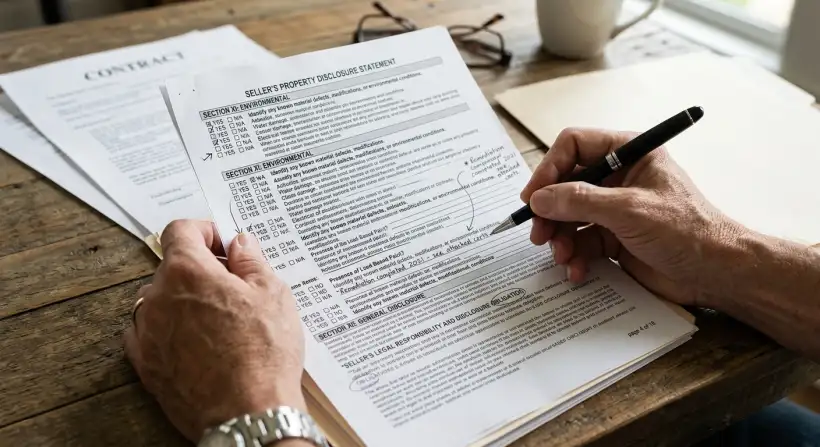
Are you thinking about selling your Texas home but do not want to make costly repairs? Selling "as is" might be the answer, but you must know what it involves.
"As is" sales can make selling easier, but they have legal and financial issues. Knowing these can protect you from problems.
This guide explains everything you need to know about selling a house "as is" in Texas, from legal duties to possible downsides. This helps you make a good decision.
Selling a house "as is" in Texas offers a unique way to sell property. It gives sellers both chances and challenges. "As is" means the seller offers the property in its current state. There are no guarantees of repairs or improvements. This can be a good choice for sellers and buyers, depending on their situations and needs. However, you must understand all aspects of an "as is" sale to succeed.
This guide covers selling a house "as is" in Texas. It gives information on the benefits, risks, legal rules, and best practices. If you are a homeowner wanting to sell a property quickly or a real estate professional, this guide will give you the knowledge to make good decisions. You can achieve the best possible results.
Quick navigation
What is Selling 'As Is'?
Selling a house "as is" in Texas means the seller offers the property for sale in its current state. The seller will not make any repairs or improvements before the sale. The buyer accepts the property with all its issues, defects, and conditions, whether seen or hidden. This is often used when a property needs major repairs. The seller may lack funds or does not want to make them. The seller might want a faster, easier sale.
This method is different from standard sales. In standard sales, the seller usually makes certain repairs or fixes issues found during a home inspection. In an "as is" sale, the buyer is responsible for all necessary repairs and renovations after the purchase. This can be good for investors, house flippers, or buyers who want to do home improvement projects.
Benefits of Selling 'As Is'
Why would a seller choose to sell a house "as is"? Several advantages make this approach appealing:
- Speed of Sale: One of the main benefits is a quicker sale. The seller does not need to make repairs and renovations. This makes the process easier. It attracts buyers who care less about cosmetic issues. The deal closes faster. Consider selling to cash buyers for an even faster process.
- Reduced Costs: Selling "as is" removes the cost of making repairs. Sellers do not have the expenses of hiring contractors, buying materials, and dealing with delays.
- Wider Buyer Pool: Selling "as is" can open the market to more buyers, including investors, contractors, and people looking for a fixer-upper.
- Less Stress: The process is often less stressful. The seller does not need to manage repairs, coordinate contractors, or worry about issues found during inspections.
These advantages make selling "as is" a good option if you want to sell fast, avoid renovation costs, and reduce stress.
Risks, trade-offs, and blind spots
Selling "as is" has many benefits. It is important to know the possible risks and trade-offs:
- Lower Selling Price: Properties sold "as is" usually sell for less than those in good condition. Buyers will consider the cost of repairs and renovations when making an offer.
- Limited Buyer Interest: Not all buyers want to buy a property that needs major repairs. This can reduce the number of potential buyers. It can also make the property stay on the market longer.
- Disclosure Obligations: Sellers in Texas must disclose known defects and issues with the property, even when selling "as is." Not doing this can lead to legal problems.
- Inspection Contingencies: Buyers may ask for a home inspection as part of their offer. This lets them find possible problems and negotiate repairs or lower prices.
Understanding these risks is key to making a good decision about selling "as is". You must also be completely honest about the property's condition to avoid legal issues.
Texas Disclosure Requirements
In Texas, sellers must legally disclose any known issues about the property, even when selling "as is." This is mainly done through the Seller's Disclosure Notice. This standard form lists the property's condition. It includes known issues with plumbing, electrical systems, the foundation, the roof, appliances, and other parts.
Not disclosing known issues can cause legal problems. Buyers can sue the seller for lying or breaking the contract if they find undisclosed issues after the sale. Being honest is key. If you are not sure about your property's condition, it is wise to speak with a real estate attorney or inspector before listing your home.
The Role of a Real Estate Agent
You can sell a house "as is" without a real estate agent. However, it can be helpful to have one, especially if you do not know the process. A real estate agent can:
- Provide Market Expertise: Help determine a fair listing price and advise on the best way to sell "as is."
- Market the Property: Use their networks and marketing skills to reach potential buyers.
- Negotiate Offers: Represent the seller during offer negotiations.
- Handle Paperwork: Guide the seller through the required paperwork and legal rules.
Choosing the right real estate agent is important. Find someone with experience in "as is" sales and knowledge of the local market. They will be a valuable asset in selling your home.
Negotiating 'As Is' Offers
Negotiating "as is" offers can differ from standard real estate transactions. Here is what you need to know:
- Pricing: Expect offers to be lower than the market value of a property in good condition. Be ready to justify your listing price based on the property's condition and similar sales.
- Inspections: Buyers often still do home inspections, even in "as is" sales. They may use the inspection report to negotiate repairs or a lower price.
- Contingencies: Carefully review any contingencies in the buyer's offer, such as financing or appraisal contingencies. These could affect the sale.
- Counteroffers: Be ready to make a counteroffer if you do not like the first offer. Work with your real estate agent to negotiate good terms.
Good negotiation is key to a successful "as is" sale. Be ready to compromise and communicate with potential buyers.
What this means for you
Selling your house “as is” in Texas is a specific way to sell, best for certain situations. For homeowners, it can help avoid costly repairs and a long selling process. However, it is important to consider possible trade-offs, like a lower selling price, and meet all disclosure requirements. The success of an "as is" sale relies on honesty, realistic pricing, and knowing the legal rules.
For buyers, buying a home “as is” offers chances for investment, customization, and possibly increased equity. However, buyers should do thorough inspections. They should think about repair costs and fully understand the risks. Using qualified professionals, such as real estate agents, inspectors, and attorneys, can lower risks and make the process easier.
Main points
- Definition: Selling "as is" means selling a property in its current state without repairs or improvements.
- Benefits: Includes quicker sales, lower costs, and a wider buyer pool.
- Risks: Possible lower selling prices, less buyer interest, and legal duties about disclosures.
- Disclosure: Sellers must disclose known defects.
- Agent Role: A real estate agent can provide market knowledge, marketing support, and negotiation help.
- Negotiations: Expect lower offers and possible negotiations based on inspection results.
- Considerations for Sellers: Evaluate your home's condition and decide if selling “as is” is the right choice.
- Considerations for Buyers: Evaluate properties carefully, do complete inspections, and calculate repair costs. Know your potential investment.
Selling a house "as is" in Texas can be a good option for many homeowners. You can make a good decision that fits your needs by understanding the process, legal rules, and possible problems. Get help from real estate professionals, like an agent or inspector. They can give you valuable information and guidance, making the transaction smooth and successful. If you want to sell your home faster, think about staging your property to attract buyers. Look at staging strategies to see how they can improve your sale.