

Selling Your House As-Is: A Comprehensive Guide
Navigating the Sale of Your Property Without Repairs
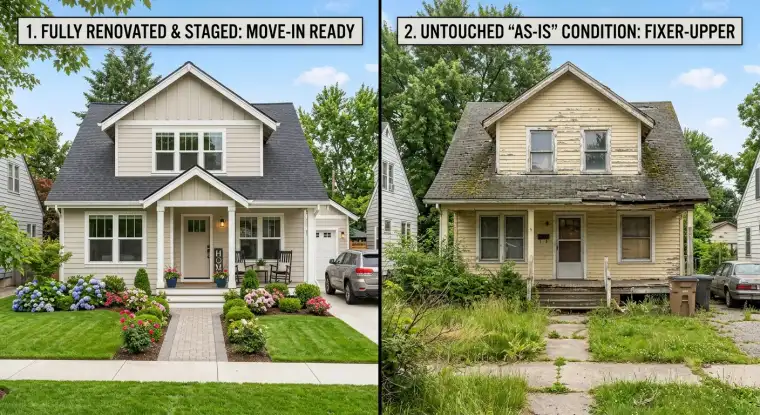
Are you thinking about selling your house? Do you not want to deal with costly repairs and renovations? Selling your house "as-is" might be what you need.
This guide will show you everything about selling your property in its current state. It helps you make a good decision.
Let's explore "as-is" home sales. See if it is the right choice for you. This guide will cover everything from understanding what it means to weighing the good and bad points.
Selling a house "as-is" means you are selling your property in its current condition. You do not make any repairs or improvements. This can be a good choice for both sellers and buyers. For sellers, it can mean a faster, less stressful sale. For buyers, it can mean buying a property at a lower price. The buyer knows they are responsible for any needed renovations.
This guide will look at selling a house as-is. It will cover the money side, the legal things to think about, and the decisions you need to make. We will also compare selling as-is to other ways of selling. This will help you decide the best way to sell your house. Let's start!
Quick navigation
Understanding the "As-Is" Sale
Selling a house "as-is" is simple. You sell the property in its current state. There are no promises about its condition. This includes all parts of the house, working or not. The buyer knows the property's condition. The buyer is responsible for any needed repairs or renovations after the sale. But how is this different from a regular sale?
In a regular sale, sellers usually make repairs based on a home inspection report. Or, they give the buyer money to cover the costs. In an as-is sale, the buyer is responsible for repairs. This can be good for many reasons. For example, it can save the seller time, money, and stress. But it also usually means a lower selling price. The buyer will consider the cost of repairs when they make an offer.
The idea is simple. The seller is saying, "What you see is what you get." This applies to everything. It goes from the foundation to the roof, from the plumbing to the electrical systems. The buyer needs to check everything to know what they are buying.
What this means for you
Deciding to sell your house as-is is a big decision. What does this mean for you, the seller? What things do you need to think about? How do you make the right choice?
Selling your house as-is can be a smart move if you do not have money or time for repairs. It can also help if your property needs a lot of work. It can also help if you are in a difficult situation, like a foreclosure or inherited property. However, you need to understand the process. You also need to know your goals and situation.
Before you decide, you must look at the good and bad points for your situation. This includes checking the condition of your home, knowing the local real estate market, and figuring out how much money you could make. You must think about if selling as-is fits with your goals. Are you willing to accept a lower sale price for a faster, easier process?
Benefits of Selling As-Is
Selling your house as-is can have several benefits. The benefits you experience will depend on your situation. Are you ready to see the possible gains of selling as-is?
- Speed and Convenience: You can sell your property quickly. You do not have to spend time making repairs, staging your home, or dealing with showings. This can be helpful if you need to move fast because of a job change, money problems, or other personal reasons.
- Reduced Costs: Selling as-is means you do not have to pay to get your home ready for sale. You will not spend money on repairs, renovations, or staging. This can be helpful if you do not have money for the needed improvements.
- Less Stress: Selling a home the traditional way can be stressful. It involves talks, open houses, and dealing with potential buyers. Selling as-is makes the process easier. It reduces the stress and allows for a simpler transaction.
- Attract a Specific Buyer Pool: Selling as-is can attract different buyers. This includes real estate investors, house flippers, and buyers who want a fixer-upper. These buyers often pay cash and close quickly, making the sale easier.
- Ideal for Properties in Poor Condition: If your home needs major repairs or has structural problems, selling as-is might be best. It lets you avoid spending money on renovations that may not give you a good return on your investment.
Risks, trade-offs, and blind spots
Selling as-is has benefits, but it is important to know the possible downsides and risks. What should you consider before selling?
- Lower Sale Price: You will likely get a lower sale price than in a traditional sale. Buyers will think about the cost of needed repairs when they make an offer. This leads to a lower overall value.
- Limited Buyer Pool: Selling as-is means fewer buyers. Only those who want to do repairs will be interested. This could mean fewer offers and a longer time on the market.
- Disclosure Obligations: You must tell buyers about any known problems, even in an as-is sale. If you do not, there could be legal problems.
- Inspection Contingencies: Buyers may include inspection contingencies in their offers. This lets them back out of the deal if they find big problems. Be ready for more talks or canceled deals.
- Potential for Legal Issues: Selling as-is does not protect you from all legal problems. If you do not tell the buyer about known problems, they could take legal action. Talk to a real estate lawyer.
Preparing Your House for Sale
Even when selling as-is, some preparation is helpful. How should you prepare your home to attract buyers and make the sale easier?
You will not be doing major repairs. But you can take steps to make your property more attractive and increase its appeal. Think about the following:
- Clean and Declutter: A clean and uncluttered home always looks better. Clean your house well. Remove any personal items or clutter that might bother potential buyers.
- Address Safety Hazards: Make sure the property is safe for buyers to visit. Fix any safety hazards, like loose handrails or exposed wiring.
- Disclose Known Issues: Be honest about any problems with the property. Give a detailed disclosure statement to potential buyers.
- Gather Important Documents: Get any important documents, like inspection reports, warranty information, and repair records. This can build trust with potential buyers.
- Price Competitively: Work with a real estate agent or do market research. This will help you set a competitive asking price for your as-is property.
Negotiating and Closing the Deal
Negotiating and closing an as-is sale is different from a regular sale. What can you expect during these steps?
Once you get an offer, you will start to negotiate. Here is what you should remember:
- Review the Offer: Carefully look at the offer. Pay close attention to the price, contingencies, and closing date.
- Negotiate: Be ready to negotiate the price and terms. Buyers will likely try to lower the price based on the property's condition.
- Inspection Contingencies: If the buyer includes an inspection contingency, they can hire a professional inspector. The inspector will check the property. You might need to talk again if major problems are found.
- Closing: Once you agree, you will close the deal. Make sure all needed documents are signed. Make sure the sale is finished according to the terms you agreed to.
For more information on how to sell your house fast, think about looking at options like cash buyers. Learn more here: cash buyers.
Main points
Selling a house as-is has both good and bad points. Here are the key things to know to help you make a decision:
- Selling as-is can be faster and less stressful than a regular sale. It saves time and money.
- You may get a lower sale price because buyers will consider the cost of repairs.
- You must tell buyers about any problems with the property to avoid legal problems.
- Getting your home ready by cleaning, decluttering, and fixing safety hazards can make it more appealing to buyers.
- Negotiating and closing an as-is sale means carefully looking at the offer, inspection contingencies, and terms.
- Think about talking to a real estate professional or a legal advisor for help with your situation.
- Decide if selling as-is fits your money goals, timelines, and the condition of your property.
- Compare as-is offers with regular offers. Decide which is best for your needs.
Selling your house as-is can be a good choice, depending on your situation. By knowing the process, weighing the good and bad points, and preparing your property, you can make a good decision. Selling your home, staging can be a helpful tool. Learn more about it here: staging your house.
Selling a house as-is may not be the best choice for every seller. But it can be a smart, efficient way to sell a property for many. Think about all the options. Good luck.