

The Psychological Effect of Messy Spaces: How Clutter Impacts Your Mind
Unpacking the mental toll of disorganization and the benefits of a tidy environment.
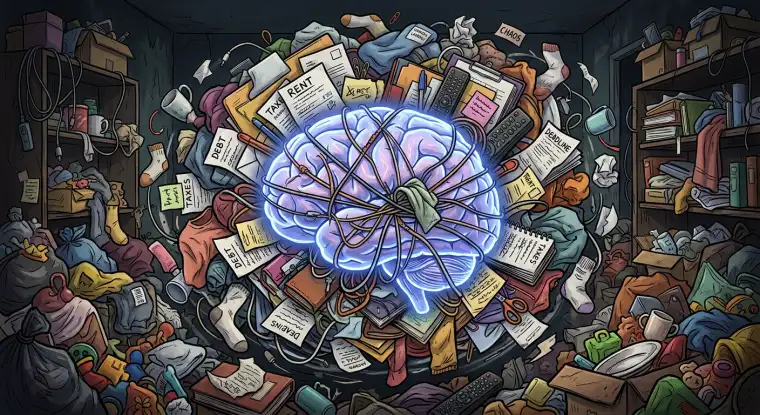
Have you ever walked into a room and immediately felt overwhelmed? The chaos around you can be more than just an aesthetic issue; it can profoundly affect your mental state.
From increased stress levels to difficulty concentrating, the psychological effect of messy spaces is a well-documented phenomenon. It's time to understand how clutter impacts your mind.
This guide will explore the hidden costs of disorganization and offer insights into reclaiming your space and your mental well-being.
A cluttered environment has impacts beyond looks. The psychological effect of messy spaces is a complex mix of surroundings and thinking. Disorganized spaces can affect your focus, decision-making, stress levels, and mental health. Clutter can subtly affect your mind. It creates a place for anxiety, feeling overwhelmed, and unease. Understanding these impacts is the first step. You can create a more organized and mentally healthy space. This guide explains the psychological toll of clutter. It offers insights, strategies, and advice for taking back your space and peace of mind.
The human brain looks for order and structure. When you are in a cluttered space, your brain works hard to process the extra things. This can cause the brain to work too hard. It can lead to less attention, trouble making decisions, and more stress. A cluttered space can feel like inner turmoil on the outside. It makes it harder to relax, focus, and feel calm. This affects many parts of your life, from relationships to work.
Quick navigation
The Neuroscience of Clutter
The brain's response to the environment is the main part of the psychological effect of messy spaces. The prefrontal cortex handles making decisions and focus. It is vulnerable to distractions from clutter. When your space is chaotic, the brain struggles to ignore extra information. This makes it hard to focus on tasks. This can cause mental tiredness and less thinking ability.
The amygdala, the brain's emotional center, can also be overstimulated in cluttered spaces. This can cause anxiety and stress, as the brain sees the mess as a threat. Studies show that people in cluttered spaces have more activity in the amygdala. This links to more cortisol, the body's main stress hormone. This scientific understanding shows the strong link between your space and your mental well-being.
What this means for you
Living or working in a cluttered space can affect many parts of your life. It can make it harder to focus, finish tasks, and meet deadlines. This can lead to less work and job satisfaction. Also, a cluttered space can cause stress and anxiety, which affects your mood and mental health. For potential home buyers, a messy space can make a bad first impression. It can lower the property's value. It also affects your sleep. Messy rooms link to sleep problems.
Think about the impact on your relationships. Being around clutter and the stress it causes can strain relationships. It can lead to fights and misunderstandings. Feeling overwhelmed can also hurt your self-esteem. The mess can feel like a sign of your ability to manage your life. The psychological effect of messy spaces goes beyond the physical. It affects everything from your work to your relationships and how you see yourself. So, how can you start changing this?
The Stress Factor
The link between clutter and stress is clear. Disorganized spaces can create constant stress. The brain constantly processes and reacts to the visual chaos. Feeling overwhelmed by clutter can release stress hormones, like cortisol. This can lead to a faster heart rate, higher blood pressure, and a weaker immune system. Over time, being in a cluttered space can hurt your physical and mental health.
Clutter can also cause constant low-level anxiety. Seeing a cluttered room can cause unease and a feeling of being out of control. This can lead to always looking for problems. This can cause burnout, being easily upset, and trouble relaxing. The cycle of stress and clutter can continue, making it hard to create a more organized and peaceful space. Is it time to take action?
Clutter and Cognitive Function
Clutter can hurt how you think. It affects your ability to focus, make decisions, and process information. The brain always filters and processes visual information. A cluttered space overloads the thinking system. This can cause less attention, memory problems, and trouble with planning and organizing. A cluttered workspace can make it harder to focus and can lead to more mistakes and less work. This is bad at work and in your personal life.
Research shows that clutter can also hurt creativity and problem-solving. When your mind is busy with distractions, it is harder to think differently and find new solutions. A clear and organized space can create calm and clarity. It helps creative thinking and problem-solving. This is especially true for those who work from home or need a space to study. Is your space helping or hurting you?
Clutter and Emotional Well-being
Living in a cluttered space has a big emotional impact. Being messy can cause sadness, frustration, and a feeling of being overwhelmed. Clutter can also cause guilt and shame, especially if you cannot manage the mess. For those selling their homes, clutter adds stress. Staging a home can be difficult if the space is not clean and organized.
Decluttering and organizing can help you feel in control. As you clear out the clutter, you can also clear your mind. You can create space for good feelings and a better outlook on life. An organized space can make you feel good about yourself. It helps you feel in control of your space and your life. Do you feel this way?
Risks, trade-offs, and blind spots
The benefits of decluttering are many. It is important to think about the challenges and trade-offs. One risk is the emotional work of decluttering. This can bring up feelings of guilt, attachment, and even sadness, especially when you let go of items. You must be patient and allow yourself time to feel your emotions. Decluttering can also take a lot of time and effort.
A blind spot in understanding the psychological effects of messy spaces is the role of mental health. Clutter can be a sign of problems like depression, anxiety, or ADHD. Trying to declutter without fixing the cause may not work. Fixing the mental health problem is key for lasting change and well-being. Some people may have trouble letting go of items because of attachment issues or fear. Getting help from a therapist or organizer can give you support and guidance. Have you thought about this?
Main points
- The brain looks for order, and clutter overloads the thinking system.
- Cluttered spaces link to higher stress, which affects your health.
- Thinking functions like attention, memory, and decision-making are hurt by mess.
- Emotional well-being suffers, causing sadness, guilt, and a lack of control.
- Clutter can be a sign of mental health problems, needing a complete approach.
- Decluttering can help you feel better about yourself.
- A clear space helps you sleep better and feel better overall.
- Organizing can create a good first impression for buyers, raising a home's value.
By understanding the psychological effect of messy spaces, you can improve your space and your mental well-being. If you are struggling with clutter, get help from a therapist or organizer. Create a more organized and peaceful life. It's time to take control of your space and your mind.