

Why Your House Isn't Selling: Common Issues and How to Fix Them
A comprehensive guide to understanding and resolving the roadblocks to a successful sale.
Are you frustrated because your house isn't selling? You're not alone. Many homeowners face this challenge, but understanding the underlying reasons can help you turn things around.
From overlooked repairs to market dynamics, several factors can keep your property on the market. Let's explore the common culprits and what you can do to get that 'sold' sign up quickly.
This guide will walk you through the key issues, offering practical advice and actionable steps to improve your chances of a successful sale. Ready to find out why your house isn’t selling?
Selling a home is complex. Sometimes, your house may stay on the market, despite your best efforts. Several factors can cause this. They range from the initial listing to the property's condition and the overall market. This guide covers the common reasons why a house might not sell. It provides you with insights and solutions. They help you navigate the real estate process effectively. We will cover the essential elements that impact a potential sale. This includes curb appeal, pricing strategy, and the home inspection report.
Quick navigation
Common Reasons Why a House Doesn't Sell
Understanding the common problems can improve your chances of a quick sale. One reason a house fails to sell is often pricing. If a property is priced too high, it may deter potential buyers. They will look at comparable properties. Location also plays a crucial role. A home in a less desirable area might take longer to sell or require a price adjustment.
The property's condition also affects its marketability. Issues such as outdated kitchens and bathrooms, necessary repairs, or a lack of updates can deter buyers. The way the home is presented can make a big difference. This includes curb appeal, interior staging, and cleanliness. The real estate market also affects how quickly properties sell. This includes interest rates and the local economy.
What Buyers Look For: First Impressions and Beyond
First impressions matter. What do you think a potential buyer notices first when they see a house for sale? Curb appeal attracts buyers. This includes the lawn, exterior paint, and the property's appearance. Buyers pay attention to the home's layout, cleanliness, and overall condition. Fresh paint, updated fixtures, and a well-organized space can enhance a home's appeal.
Buyers are also concerned about the home's functional aspects. This includes the HVAC system, roof, plumbing, and electrical systems. Red flags in these areas can stop a sale. Buyers are also interested in the neighborhood, schools, and nearby amenities. They want to ensure the property meets their lifestyle needs and is a good investment.
What this means for you
If your house isn't selling, you need a deep dive. It’s essential to evaluate where your property stands in the current market. Review your listing and compare it to similar homes. Are you priced competitively? Consider repairs, upgrades, or staging improvements. Think about the impact of the current market conditions. High interest rates, for example, could limit buyer interest.
Analyze feedback from potential buyers and real estate agents. What are their concerns? Are there any repeating themes? Adjust your approach. You can make price adjustments, address specific issues, or improve the home's presentation. You might also want to talk to a real estate professional. They can provide a fresh perspective and help you create a plan to improve your property’s marketability. Being proactive and adaptable is key to selling your home.
Risks, trade-offs, and blind spots
There are risks when a home doesn't sell. One major risk is financial loss. As the property stays on the market, you might need to lower the price. This costs you money. There are also opportunity costs. You can't move to your next home, or use that money for other investments. There can also be emotional costs. The stress of maintaining a property without a sale can be draining.
The trade-offs can be significant. Renovating or upgrading your home to boost its market appeal means you'll invest more money and time. If you lower the price, you may sell more quickly. However, you will get less from the sale. A blind spot is assuming the property's value is higher than the market dictates. Getting an assessment, such as a home inspection or appraisal, can help uncover these issues.
The Impact of Home Inspections
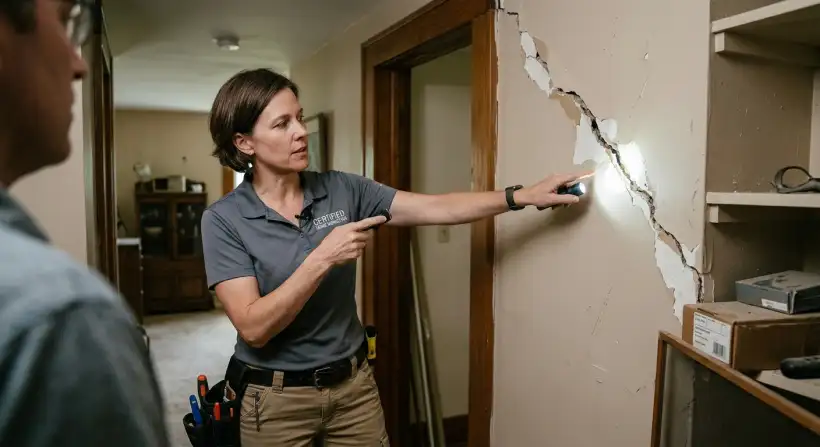
What is the biggest red flag in a home inspection? Home inspections are a critical part of the home-selling process. An inspection report can make or break a deal. Buyers use it to identify any issues. Problems, like structural damage, roof leaks, or faulty electrical systems, often cause buyers to back out or demand repairs. Other red flags include pest infestations, mold, or hazardous materials like asbestos or lead-based paint.
A comprehensive inspection helps buyers understand the home's condition. Sellers can address any issues. Having repairs done before listing can reduce delays or a failed sale. A pre-listing inspection can be a smart move. It allows you to address any problems. Transparency and honesty throughout the process build trust. This creates a more positive outcome.
Market Timing and Strategies
The real estate market changes. Knowing when to list your home can improve your chances of a successful sale. Spring and early summer are often peak seasons for real estate sales. More buyers are in the market. The time of year can affect demand. In areas with harsh winters, the market may slow down during the colder months.
Pricing strategy is also vital. Pricing the property competitively from the start can attract more buyers. You may want to consider professional staging. It will show your home in the best light. Effective marketing, including photos and videos, can also get more people to notice your home. You can even work with a real estate agent. They will provide advice and help you navigate the process.
Main points
Here’s a recap of the key takeaways to keep in mind when your house is not selling:
- Pricing: Make sure your home is priced competitively.
- Condition: Address necessary repairs, upgrades, and cosmetic issues.
- Presentation: Improve curb appeal, stage the interior, and keep the property clean.
- Home Inspections: Address any major issues found during a home inspection promptly.
- Market Timing: Consider the best time of year to list your property.
- Marketing: Use high-quality photos, virtual tours, and other tools to attract buyers.
- Professional Help: Seek help from a real estate agent for expert advice.
- Cash Buyers: Consider options like cash buyers for a faster sale.
If your house isn’t selling, don’t lose heart. You can improve your chances of a successful sale. Address the factors discussed above. Adopt a strategic approach. Consider staging your home. Make it more appealing to potential buyers. Explore options like staging. Explore options that can help you sell your house faster. Finally, to learn more about preparing your house for sale, consider staging your house for sale. With these strategies, you can overcome the obstacles.