
Why Bad Mirror Placement Can Shrink a Room (And How to Fix It)
Unlocking the Secrets to Maximizing Space and Light with Mirrors
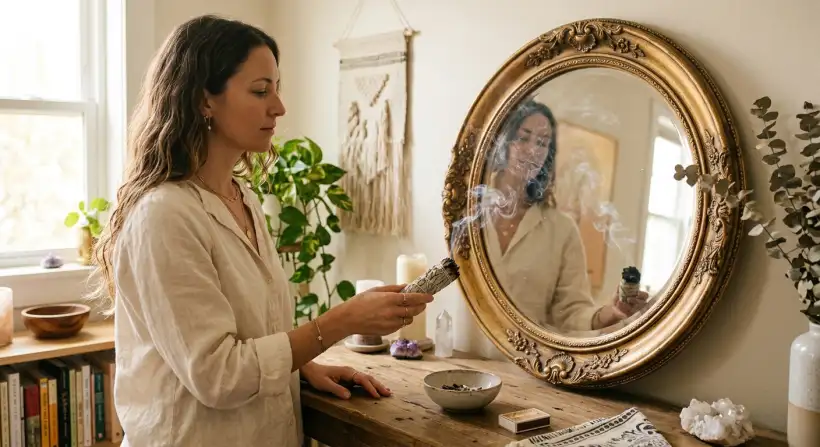
Mirrors have a magical quality, instantly transforming a space, but their power can be easily misused. Placement is everything.
Have you ever walked into a room and felt instantly claustrophobic, only to realize a strategically placed mirror could have opened it up?
This guide dives deep into the art of mirror placement, ensuring your rooms feel bigger, brighter, and more inviting, rather than smaller and more confined.
Mirrors are common in interior design. They make a space look better and bigger. However, they only work well if placed correctly. Poor placement can make a room feel smaller and cramped. This guide explains how to use mirrors to make your rooms look bigger and more open. It answers why bad mirror placement can shrink a room and provides solutions to help your mirrors work with your design goals.
Quick navigation
- The Psychology of Mirrors: How They Affect Perception
- Common Mirror Placement Mistakes and How to Avoid Them
- What this means for you
- Ideal Mirror Placement Strategies for Different Rooms
- Mirror Shapes and Frames: Choosing the Right Style
- Risks, trade-offs, and blind spots
- Cultural and Spiritual Significance of Mirrors
- Main points
The Psychology of Mirrors: How They Affect Perception
Mirrors do more than just reflect images. They affect how we see space, light, and ourselves. Understanding these effects is important for good mirror placement.
Mirrors create an illusion of depth by repeating the existing space. This repetition makes a space feel larger. A mirror can visually double the size of a room when placed correctly. This is especially helpful in smaller rooms. It makes them feel more comfortable.
Mirrors also affect how we see light. They reflect light, making a room brighter. This extra light makes a room feel larger and more inviting. A well-placed mirror can bounce light into a room. This eliminates dark areas that make a space feel smaller and enclosed.
Considering their impact, have you thought about how mirrors affect your mood in a space?
Common Mirror Placement Mistakes and How to Avoid Them
Mirrors can improve a room, but incorrect placement can make the space feel smaller, cluttered, or unbalanced. Avoiding common mistakes is key to getting the most from a mirror.
A common mistake is putting mirrors on small walls or in tight spaces. This can make you feel boxed in. The reflections can overwhelm the space and make it feel cramped. Another mistake is putting mirrors across from solid walls. This reduces the feeling of openness and makes the room feel unbalanced. Also, putting mirrors in cluttered areas can multiply the visual chaos. This adds to the feeling of being confined.
To avoid these problems, consider the following:
- Avoid small walls: Use larger, open walls to create the illusion of space.
- Strategic reflection: Place mirrors to reflect light sources, views, or interesting details.
- Minimize clutter: Keep the areas reflected by the mirror tidy.
- Consider the angles: Experiment with angles to see how the room responds.
By avoiding these mistakes, you can use mirrors to create a more spacious and inviting environment. Do you question your mirror placement choices?
What this means for you
Knowing how to use mirrors effectively can change your home. Mirrors placed correctly can make small spaces feel bigger, brighter, and more inviting. This improves your living experience.
If you live in a small apartment or home, using mirrors is an excellent way to create the illusion of more space. Reflecting light also improves the atmosphere. It makes rooms feel less cramped and more open. Mirrors also add style and elegance while changing how you see the area. This can improve your mood and make your living space more enjoyable.
Finally, mirrors let you experiment with design. You can change how a room feels by changing the mirror's placement. This influences the overall feel of your house or apartment. Are you ready to learn how to use mirrors effectively in your home?
Ideal Mirror Placement Strategies for Different Rooms
Each room in a home is unique. Mirror placement should be tailored to each space. Here is a guide to ideal mirror strategies for various rooms.
Living Room: In the living room, place mirrors to reflect natural light from windows or to expand the view of the outdoors. Consider placing a large mirror behind a sofa or across from a window to create depth. Avoid placing a mirror directly opposite a solid wall to prevent a closed-in feeling.
Bedroom: Bedrooms benefit from mirrors that enhance the feeling of space and light. Place a mirror on a wall perpendicular to the bed to make the room appear wider. A full-length mirror is a practical addition, offering both function and style. Avoid placing mirrors where they directly reflect the bed. This can disrupt the room's calm.
Dining Room: Mirrors in dining rooms can visually double the space and improve the feel. Consider placing a mirror on a wall perpendicular to the dining table. This reflects the setting and adds elegance. Another option is to position a mirror to reflect a nice view or a decorative display to improve the dining experience.
Hallway: In hallways, mirrors can visually widen the space. Place a mirror at the end of a long hallway to create a focal point and the illusion of greater length. This can also brighten the space. Are you thinking about where to start in your own space?
Mirror Shapes and Frames: Choosing the Right Style
The shape and frame of a mirror affect its impact on a room's design and space. The right choice can improve the visual effect and complement the interior style. The wrong choice can disrupt the flow.
Shape: Round mirrors soften a space, adding elegance and interest. Rectangular mirrors create a sense of height. They are good for hallways or narrow spaces. Square mirrors offer a modern look. The best choice depends on the room's shape, size, and your desired style.
Frames: Frameless mirrors provide a sleek look. The reflection is the main focus. Framed mirrors add character and style. Options range from ornate antique frames to simple, modern designs. The frame's material and color should match the room's decor.
Consider the room's style when choosing a mirror. Do you think a sleek, minimalist frame or an ornate, vintage design is best for your space?
Risks, trade-offs, and blind spots
Mirrors are a useful design tool. However, there are potential downsides to consider. Understanding these can help you avoid common mistakes and get the most from mirror placement.
One possible downside is the risk of too much visual stimulation. In rooms with many mirrors or reflective surfaces, the reflections can be overwhelming and confusing. Another blind spot is that mirrors can reflect clutter, making visual chaos worse. Also, some cultures discourage the use of mirrors due to certain beliefs or traditions.
To reduce these risks:
- Balance reflections: Avoid too many mirrors in a space.
- Maintain tidiness: Keep the areas reflected by the mirror clutter-free.
- Consider cultural beliefs: Be aware of any cultural or personal beliefs about mirrors.
By considering these things, you can use mirrors to improve your space while avoiding potential problems. Have you thought about the potential downsides of using mirrors in your design?
Cultural and Spiritual Significance of Mirrors
Mirrors have practical and aesthetic uses. They also hold cultural and spiritual meaning in many societies. Beliefs and traditions affect how mirrors are used in interior design.
In Feng Shui, mirrors redirect energy and improve positive energy flow. According to Feng Shui, mirrors should reflect good things, like light and views. They should not reflect negative energies. Some cultures associate mirrors with protection from evil spirits or bad luck. Other cultures use mirrors to improve beauty rituals or as a symbol of self-reflection.
These cultural perspectives show the importance of understanding the broader implications of mirror use. Do your cultural background or personal beliefs affect how you place mirrors?
Main points
Using mirrors well is a powerful tool in interior design. It can transform a space. Here is a review of the main points:
- Placement Matters: Good mirror placement can make a room feel bigger and brighter. Bad placement can have the opposite effect.
- Psychological Effects: Mirrors affect how we see space, light, and ourselves.
- Avoid Common Mistakes: Do not place mirrors on small walls, in cluttered areas, or opposite solid walls.
- Room-Specific Strategies: Tailor mirror placement to each room.
- Consider Style: Choose mirror shapes and frames that match your interior design.
- Be Mindful: Balance the number of mirrors and consider any cultural or personal beliefs.
By using these ideas, you can create a more inviting and appealing living space. Are you ready to change your space with the power of mirrors? For more ideas, explore decluttering techniques to keep your reflected spaces tidy. Also, consider incorporating biophilic design to improve your space.